

At home, there are proper rules for refrigerator etiquette.
It's our food, it's our fridge and we want to clean things that have spilled and throw out stuff that has gone bad.
But office refrigerators? Well, that's another story.
An unclean fridge may pose a health issue. For instance, meat containing E.Coli may end up dripping on fruits and veggies that are eaten raw.
Yuck!
Just as bad is the smell that comes from an unkempt refrigerator. Nobody wants to go into a foul break room for afternoon coffee.
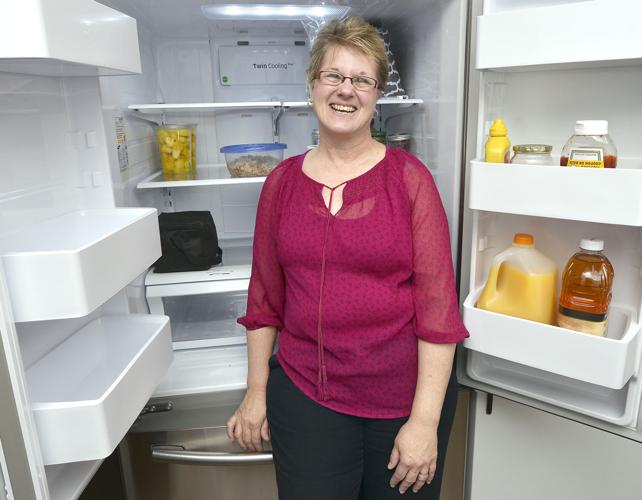
"Being the office fridge monitor isn't a part of anybody's job description," said Renee Sweers, Woodbury County ISU Extension and Outreach nutrition and wellness specialist. "Still, there are common sense rules that everybody should try to follow."
People are also reading…
Observe the four-day rule
Let's say you brought some leftover Chinese food on Monday but it's still languishing in the office fridge on Thursday. What should you do?
According to Sweers, it's time to throw it out.
"Cooked foods have a shelf-life of about four days in the refrigerator," she explained. "If it hasn't been eaten by then, then just throw it away."
Mind your messes
"Clean up spills immediately," Sweers said. "Since food residue carries various bacteria, wipe it up immediately instead of leaving it there to dry and stick in the refrigerator."
Mark the date
Remember the bottle of ketchup that's been in the office fridge since you started working there? Can you still use it?
Well, you better check the label.
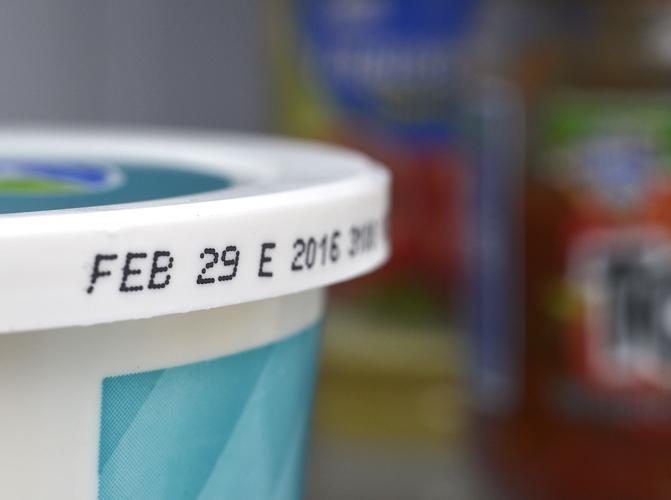
"Condiments tend to have a longer 'best used by' date than other types of food," Sweers said. "Remember that a 'best used by' date isn't a safety date. Instead, you may start to see gradual changes in the product's flavor and color following the date on the label."
Other items -- like meats and dairy -- definitely have a "sell-by" date.
However, Sweers said continuously refrigerated milk can safely be used for one week beyond the date on the label.
On the other hand, lunch meats should not be stored beyond their sell-by dates.
"It's then that we have to worry about listeria and cross-contaminating other foods in the fridge," Sweers said.
Don't tamper with temps
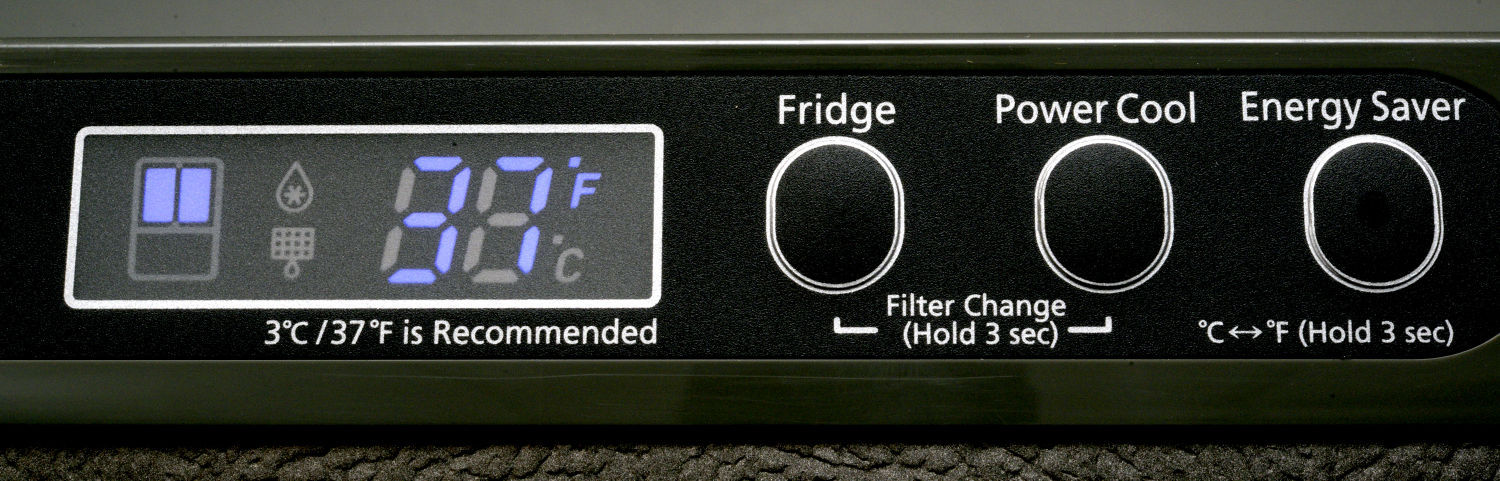
The ideal temperature for a refrigerator is around 37 - 39 degrees Fahrenheit. If it's higher, food will spoil more quickly. If it's lower, food might freeze.
Having said that, Sweers warns that an overcrowded fridge will have a difficult time keeping food cold. Likewise, a refrigerated item kept outside for an extended period of time will affect other foods when placed inside a cold place.
Common sense equal common practices
"A person should use common sense when it comes to refrigeration," Sweers said. "If food is getting moldy, throw it out. If you're transporting your lunch inside a plastic bag that is sitting on the floor of your car, throw the bag away."
"When you're in an office setting, chance are you're sharing a common officer refrigerator," she continued. "Be courteous with others and they'll be courteous with you."