


There used to be one word for women in farming: wife.
Traditionally, the men made an honest living by digging it out of the dirt while women worked in the home. It was a way of life Dorothy Hinkeldey knew well from growing up on a quintessential family farm near Alta, Iowa.
Everyone had chores to do. She milked cows and took care of the chickens. A truck came by and picked up some of the eggs. And of course, there was a big garden for cooking and canning to feed the family of 12. They were mostly self-sufficient, producing their own meat, milk and cream. They churned their own butter and made soap from lard.
For decades, women were homemakers who kept everything in order and bolstered the family’s farm business, but they were not always recognized for their work.
In 2002, the Census of Agriculture began counting women’s involvement in daily farming and ranching decisions. For the first time, the form requested demographic data for up to three operators instead of one.
People are also reading…
Nationally, women represented 30 percent of all farmers in 2012. They were the primary operators of 14 percent of farms, up from 5 percent in 1978, when the census began tracking numbers based on gender.
While Iowa has the third highest number of farms in America, only 8 percent are run by women, compared to 39 percent in Arizona, according to the latest census report. Overall, states in the Northeast, Southwest and West had the largest concentrations of women-run farms.
The women in the Hinkeldey family may have started out offering support to their husbands who were planting and harvesting crops and feeding livestock, but as years passed, things changed.
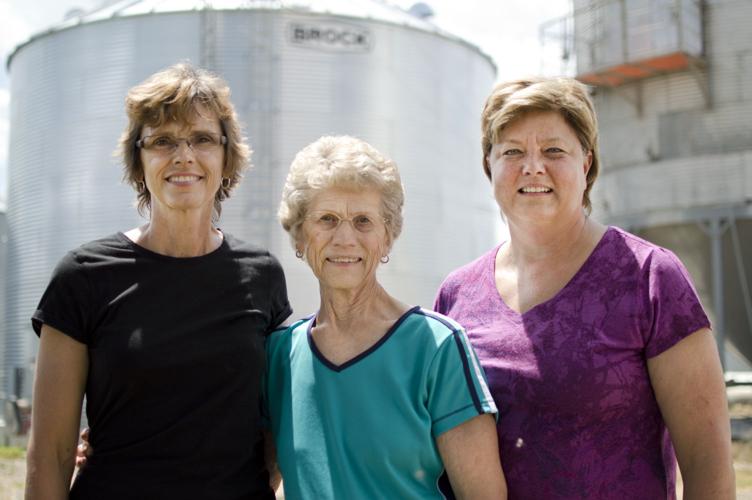
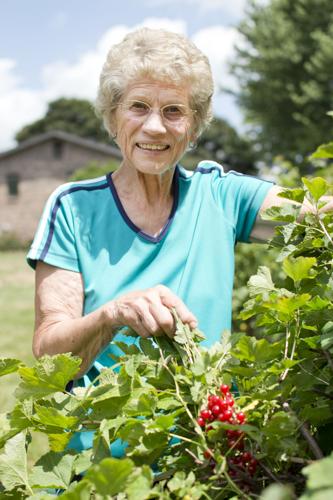
Dorothy Hinkeldey, 79, has outlived her husband, and a life-altering accident 17 years ago thrust her daughter-in-law, Trudy Hinkeldey, into being more active in the family’s farming operation.
Before a fatal highway crash in 1998, Trudy, a nurse, used to haul wagons out to the field and hook them up. Maybe she’d help during harvest if they were running behind, but mostly, she was bringing meals out to the men and picking them up from the tractors and combines after a day’s work was done.
Everything changed in a split second when a drunk driver blew through a stop sign and rammed into her family’s van, carrying six passengers. The crash left her husband Myron paralyzed from the neck down and killed their youngest son, Ben. He was 7.
They had to make a tough decision about their future on the farm. They thought about leaving, but Trudy’s father-in-law, Dwaine Hinkeldey, wouldn’t hear of it. His son couldn’t climb into the cab of a combine anymore, but she could. She was born and raised on a farm. She could do it, and Dwaine could teach her.
So, Deb Hinkeldey, who’s married to Myron’s older brother Jim, and Trudy split combining duties on their days off from working as nurses. After a while, Trudy started taking off about 10 weeks in the fall to farm.
“You kind of get pulled in and then, you think, oh, well, I can help. I can do this,” Trudy said.
For about 20 years, it wasn’t uncommon to find Dorothy in the combine either. And up until six years ago, Dwaine had been doing most of the spring planting, but heart problems and leukemia slowed him down.
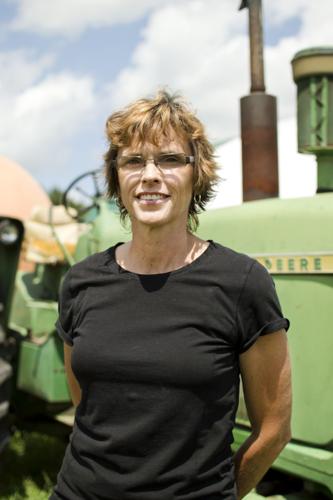
Once again, Trudy climbed into the cab of a big green machine. Dwaine taught her how to plant and she showed him how to use a GPS system to steer the tractor and sow seeds in the soil in more precise patterns.
“The first spring we were planting he just couldn’t believe that he could be that far off with the planter,” she said. “I literally had to slap his hands. He just couldn’t keep ‘em off the wheel.”
Dwaine died in 2011.
Now, Trudy and her youngest son Jordan plant and spray for bugs, fungus and weeds. She was surprised to see him come back to the farm after he graduated from Iowa State University with a business degree. She semi-jokes that, out of her three sons, he pulled the short straw and questions if he felt obligated to help her keep the family’s farming operation up and running.
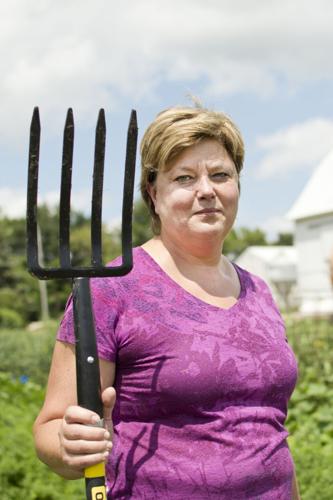
One of Deb’s sons recently returned to rural Alta, too, and he took over some of the livestock chores that she would cover like vaccinating piglets, power washing and loading hogs.
Both women, who grew up as farm girls, thought they’d leave small-town life and move to Minnesota’s biggest cities to pursue their nursing careers. That was before they met Dorothy’s sons. Trudy and Deb find simple joy and satisfaction in farm life.
“I like the quiet, the peace and quiet at night,” Trudy said. “In the fall, especially, I like crawling up on top of a grain bin and looking out over the horizon. It’s just so peaceful. There’s no phones. There’s no internet, no Facebook.”
Just a farmer and her field.


