KINGSLEY, Iowa | Small Town Sportsman owner Dave Riemenschneider is used to answering questions about rifles, shotguns and bows from customers coming into his well-stocked store.
Despite being knowledgeable about the topic, the lifelong hunter and fisherman seldom fields culinary questions.
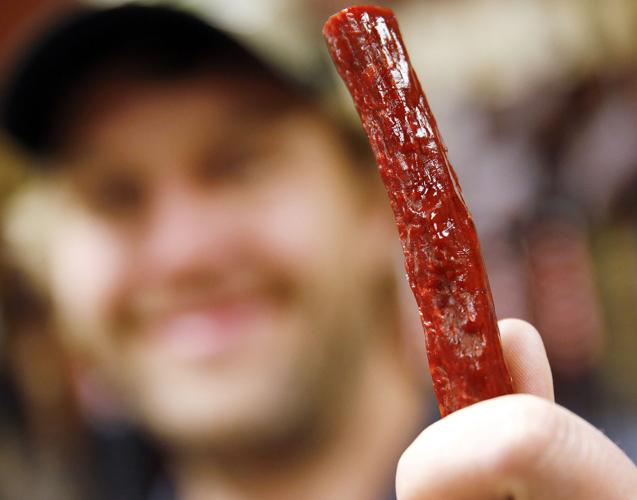
"We eat everything that we hunt and our family's meat bill is minimal," Riemsenschneider, a turkey, pheasant and deer hunter, explained. "We always take our game meat to a local processor for steaks, sausages, even jerky."
On the other hand, Woodbury County Extension Service nutrition and health program specialist Renee Sweers frequently gets questions regarding the cooking of game meat.
"The same safe-cooking principles should be applied, whether you're cooking game meats or any other type of meat," she said. "When dressing the meat, be sure to do it on a clean surface. Also, be sure to refrigerate it as soon as possible."
A food thermometer is recommended to ensure all meats reach a safe minimum internal temperature.
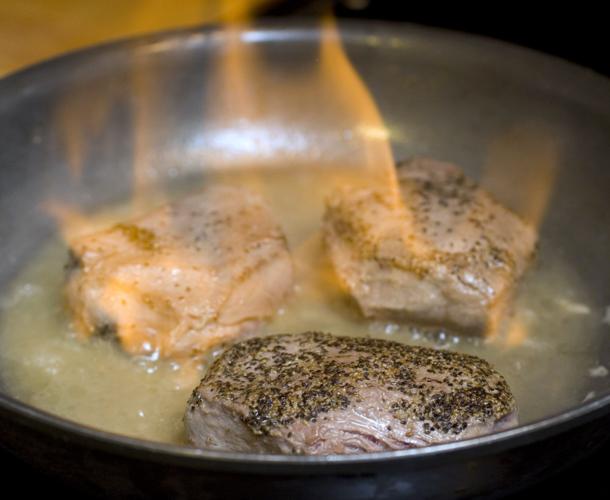
For instance, a deer or venison steak must register an internal temperature of 145 degrees, with no rest time. A roast made of venison or deer must register at 145 degrees for at least four minutes of rest time.
Ground game meat can be cooked to a minimum internal temperature of 160 degrees. Sweers recommended combining ground game meats with ground beef or pork to eliminate the gamey taste.
Like other poultry, wild turkey or pheasant must be cooked to a minimum temperature of 165 degrees.
Sweers said game meat is often a healthy option.
"They tend to be low in saturated fat and high in protein and iron," she said. "They're also tricky to cook since the meat can be so lean."
Riemenschneider agreed. An experienced griller, he said overcooking game meat can make it tough and leathery.
Which is why he lets his wife Alisha do most of the cooking.
"Alisha allows me to indulge in hunting hobby," he said with a smile. "But I know she's a much better cook than I'll ever be."