
SIOUX CITY | Does being smoke-free sound good in the New Year?
It should. There are more than 7,000 chemicals in tobacco smoke, including arsenic, lead and tar.
According to The American Lung Association, every year in the U.S. more than 480,000 people die from tobacco use and exposure to secondhand smoke. Smoking and use of tobacco products, including cigars and smokeless tobacco, cause or worsen numerous diseases and conditions.
If you're planning to kick the habit, Deb Twyford, a registered nurse and certified wellness coach for Mercy Business Health Services, said you need to get some things in place first.
"Everybody that smokes has a certain cigarette that's really crucial for them -- maybe it's first thing in the morning, maybe it's after a meal. They need to come up with what they're going to do in place of that," she said.
People are also reading…
If you use nicotine replacement therapy (NRT), Twyford said your chances of successfully quitting are higher. NRT reduces feelings of withdrawal and cigarette cravings by giving you a little bit of nicotine without all the other harmful chemicals found in tobacco products. NRTs include patches, gum, lozenges, an inhaler and nasal spray.
Twyford said a family physician could also prescribe Chantix, a nicotine-free medicine that reduces the urge to smoke. Chantix can be taken for 12 or 24 weeks. Bupropion is another non-nicotine-containing medication that helps you quit smoking by balancing the chemicals in your brain to reduce withdrawal symptoms.
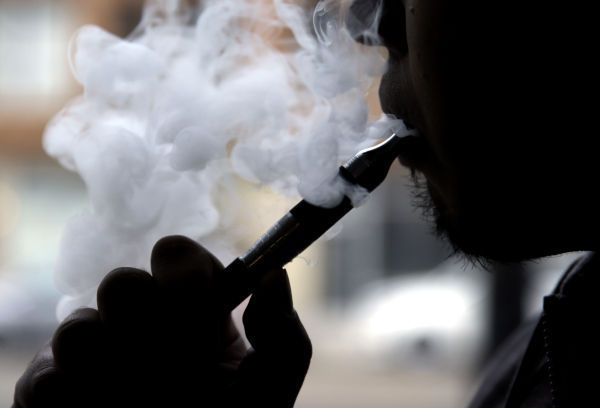
Could vaping with electronic cigarettes help you quit smoking?
The oral fixation element that electronic cigarettes provide makes them more appealing to some smokers than nicotine patches and pills. Twyford said the U.S. Food and Drug Administration hasn't approved vaping.
"Supposedly it has less chemicals than cigarettes," she said.
In recent years, Twyford said she has seen an increase in smokers wanting to quit for their own health or the health of their families. According to the Mayo Clinic, studies show that third-hand smoke, residual nicotine and other chemicals cling to hair, skin, clothing, drapes, furniture, carpet and walls.
"Maybe they're expecting a new baby or a new grandchild. They don't want to expose the child to second- or third-hand smoke," she said. "People forget about that third-hand smoke. That's the smoke in their clothes and in their coat. Then they pick up that newborn baby and the baby's nose is right by their clothing."
Mercy Business Health offers one-on-one tobacco cessation counseling. During the first meeting with someone wanting to quit, Twyford said she discusses how often they smoke and gets them prepared for quitting.
"They wouldn't quit on that first time. Probably that second visit is when they would quit," she said.
Twyford said keeping snacks on hand, such as carrot sticks, can help satisfy a smoker's hand-to-mouth fixation. She recommends walking around the block a few times instead of having a cigarette after supper and practicing deep breathing to relieve stress.
"They want something to chew on. Obviously you want to go with lower calorie (snacks), because sometimes when tobacco users quit smoking they end up gaining weight," she said. "We really try to encourage exercise because their metabolism slows down a little bit."
By the third session, Twyford said smokers trying to quit should have been smoke-free for a week. They talk about what to do when nicotine cravings strike and how to get back on track after a relapse. She said more people relapse than not.
"We don't want them to throw in the towel. We encourage them to keep trying," she said. "If they are ready in their mind, they can usually do it."