

In working toward whatever New Year's resolution you set, the word discipline is going to keep coming up.
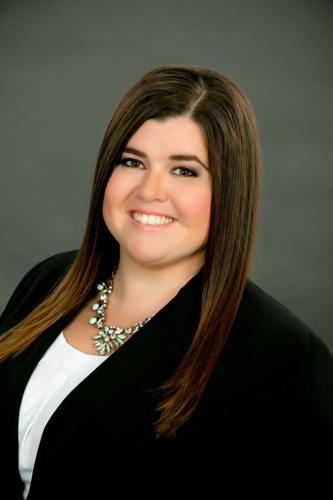
"Discipline is a scary word to a lot of people," said Kelsey Bankey, a certified financial planner with Sterk Financial Services in Dakota Dunes. "It takes hard work, but it really does help. Whether it be going to the gym, cleaning your house or choosing where you put your money, it's very beneficial."
The good news is it's never too late to start exercising discipline with your finances.
"Right now is always the best time to start working toward a more secure financial future," said Jason Kleis, first vice president and managing director of RBC Wealth Management in Sioux City. "But the start of a calendar year is a clean way to get organized and motivated."
First things first: Understand where you've been spending your money and what goals you'd like to achieve.
People are also reading…
Then, take inventory of your financial history. Are you in debt? Not saving enough for retirement? Planning on purchasing a big-ticket item this year?
The answer to all of these is simple.
"The money coming in has to be more than the money going out," said Bankey.
Bankey recommends splitting your money into two categories -- fixed expenses and variable expenses.
"The fixed expenses are going to paid every single month; this is your rent, your utilities, your insurance. Your variable expenses are going to be items you don't have to spend money on -- leisure items. If you don't have enough money, you don't spend money on these expenses."
Whatever financial goal you're working toward, that should be considered a fixed expense.
Most people struggle the most with exercising discipline with their variable expenses. Bankey said there isn't a solid rule for how everyone should spend this money.
Customizing a "leisure" budget for your variable expenses can help spread money out over a pay period.
Bankey recommends trying the envelope strategy.
For every variable expenses you have, you have an envelope. Once your fixed expenses are paid, decide how much of your "fun money" you're allowing yourself and take out that amount in cash. Divide the cash into each envelope based on your preference. If you spend all the money in an envelope, you're done spending money in that category until the next payday.
"As long as your budget balances at the end of the day, what you choose to spend your money on is your choice," said Bankey.
If paying off debt is a goal, Kleis recommends approaching each type of debt differently. "Each type of debt carries its own set of rates, risks and consequences.
"Credit card debt often has the highest interest rates and is the first one to look at and consider trying to get rid of. Others, such as mortgage debt can provide tax benefits and may be wise to pay off later," said Kleis.
Kleis advises those with student debt to "carefully think out a strategy."
"While it sounds cliche, there is no 'one-size-fits-all' approach to paying down student debt," he said. "Several factors, including career path, the interest rate on that debt and current financial situation will determine the approach one should take."
Bankey advises recent college graduates to "stay humble and spend within your means.
"Don't stop living like a college student. Just because you have more money coming in doesn't mean you need to increase your expenses."
Young adults should consider saving for retirement now. "Today, with fewer people covered by pensions, putting money away and investing wisely is more important than ever. Too often, someone might have good intentions to save, but never get it done unless it happens automatically."
Kleis says beginners should have funds taken automatically out of their paychecks or checking accounts.
If you haven't started putting money away for retirement, "it's never too late," said Bankey.
"There's a lot of flexibility in retirement planning. I recommend meeting with a financial planner 10-15 years before retirement to see how prepared you are."
Kleis says education is often key. He suggests subscribing to a personal finance or investment magazine.
Bankey has seen success from individuals using personal fiance mobile apps, such as Mint.
For individuals who don't have the time or ability to make their own financial decisions, working with a financial adviser and a financial planner could be a lasting investment.
"Saving and investing is important at any age. You should save for anything you anticipate needing to pay for or anything that is important to you," said Kleis.