
SIOUX CITY -- Throughout the 19th century and somewhat into the 20th century, before the federal government took full control of printing money, it was common practice for banks to produce their own banknotes.
Like their counterparts elsewhere, Sioux City banks of the era were known to print their own notes, personally signed by bank officers. They could be redeemed at the bank or passed around as currency.
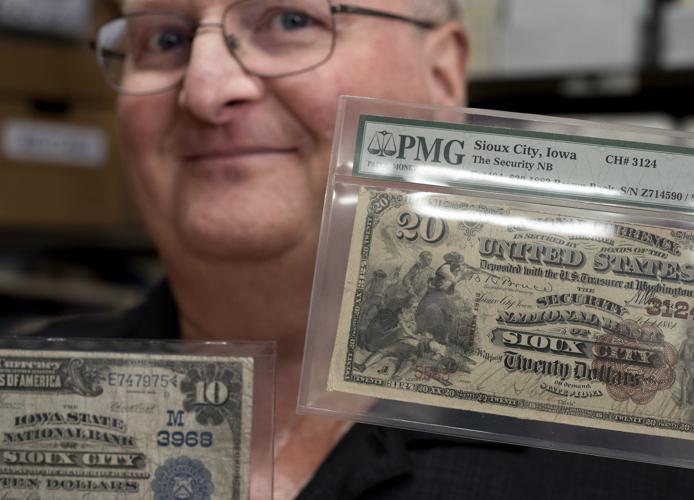
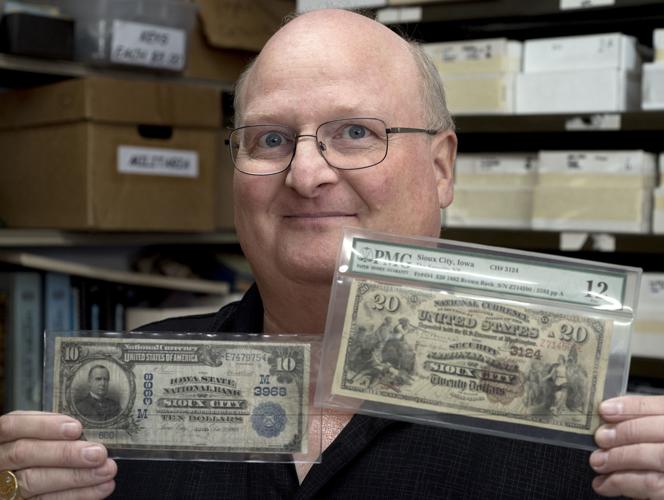
John Jackson, the proprietor of J&J Coins and Collectibles, 901 S Cecelia St., said Sioux City at one time had as many as 15 national banks, all of which would've been able to print their own bills.
People are also reading…
"There's only about eight of them that there's any notes known, give or take," said Jackson, who's been in the rare currency trade for about 33 years. While there are "lots of" examples of some Sioux City banknotes floating around, a few banks are believed to have issued notes of which none exist.
Were a previously unknown Sioux City or South Sioux City banknote to surface, Jackson said the price could be astronomical.

"There's a lot of notes that they've never found one -- South Sioux City, Nebraska, produced a national banknote and there's never been one found," he said. More common Sioux City banknotes could fetch prices between $50 to $300; they're popular with some collectors, including Jackson.
The price depends largely on the rarity of the note -- some banks were open longer than others, and a good many notes were redeemed at the bank for their value. Others likely wore out through circulation and were destroyed.
Don't wreck your coins
Many a well-meaning metal detector enthusiast has taken aggressive measures to clean the old coins they unearth -- including harsh scrubbing and abrasives like sandpaper.

A $10 national bank note from Security National Bank in Sioux City is shown Monday, Oct. 7, 2019, at J&J Coins and Collectibles in Sioux City, Iowa.
The coin may come out as bright and shiny as the day it was new, but its value can be destroyed in the process.
Whatever the condition of the coin, it's probably better to consult with a local coin collectors' or numismatic group or experts before doing anything that can't be reversed. Sioux City's coin group meets monthly at the First United Methodist Church, 1915 Nebraska St.

"A lot of coins are damaged by cleaning, that's one of the first things we tell people is, before you do anything with a coin, no matter how you find it, have somebody look it that can tell you what you can do to not damage it," Jackson said.
There's other reasons to consult with the coin club -- for example, when considering a purchase of a coin or a set of coins.
Rarity and condition
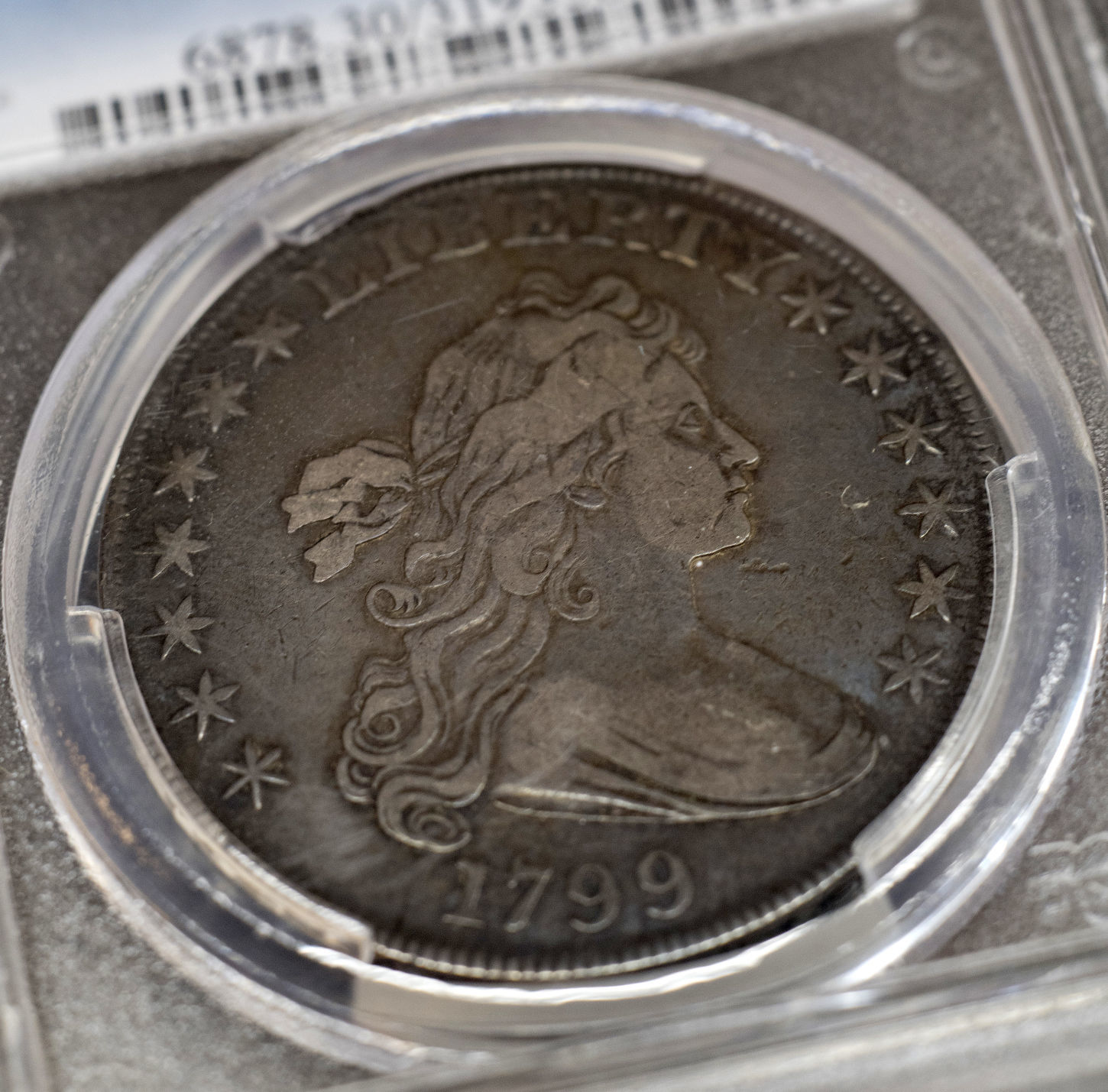
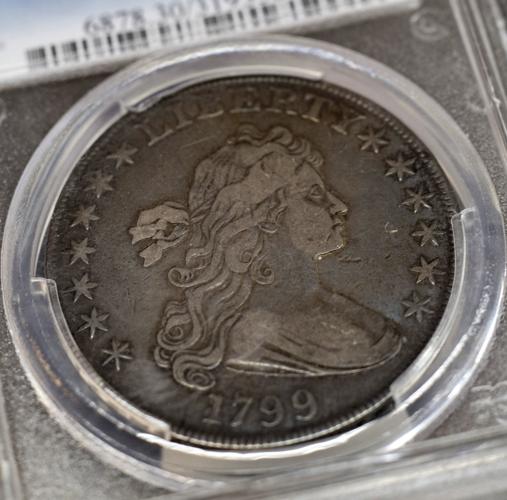
A 1799 draped bust silver dollar is shown Monday, Oct. 7, 2019, at J&J Coins and Collectibles in Sioux City, Iowa.
The value of a coin or banknote is a function of its rarity and condition. A particular coin or a bill of which few were issued could be valuable, and the same is true of a coin or a note in unusually pristine condition.
"There are some coins that are very common coins, but they're extremely rare in new condition," Jackson said. "They were well-circulated, so they just didn't survive in new condition. So it can be a coin that's worth 50 cents, a circulated, worn coin, but in brand-new condition it can be worth thousands of dollars."









Determining the rarity or condition of a coin is a job for the experts. But there are certain coins that are almost always worth setting aside if you find them in your pocket change.
A common example would be silver dimes and quarters. Before 1965, all U.S. dimes and quarters were made of coin silver, an alloy which is nominally about 90 percent silver.
"They all have value more than face value," Jackson said. "Right now, silver coins, just the most common silver coin might be 10 times face value" -- or about $1 for a silver dime, and $2.50 for a silver quarter. The price only goes up from there.
An easy way to tell is to look at the rim of the coin -- silver coins have a silver rim, while modern copper-clad dimes and quarters have a copper rim. Silver coins also make a different noise than modern coins if they're dropped on a table or other surface.
Or look at the year: any dime or quarter that's dated 1964 or earlier is silver.
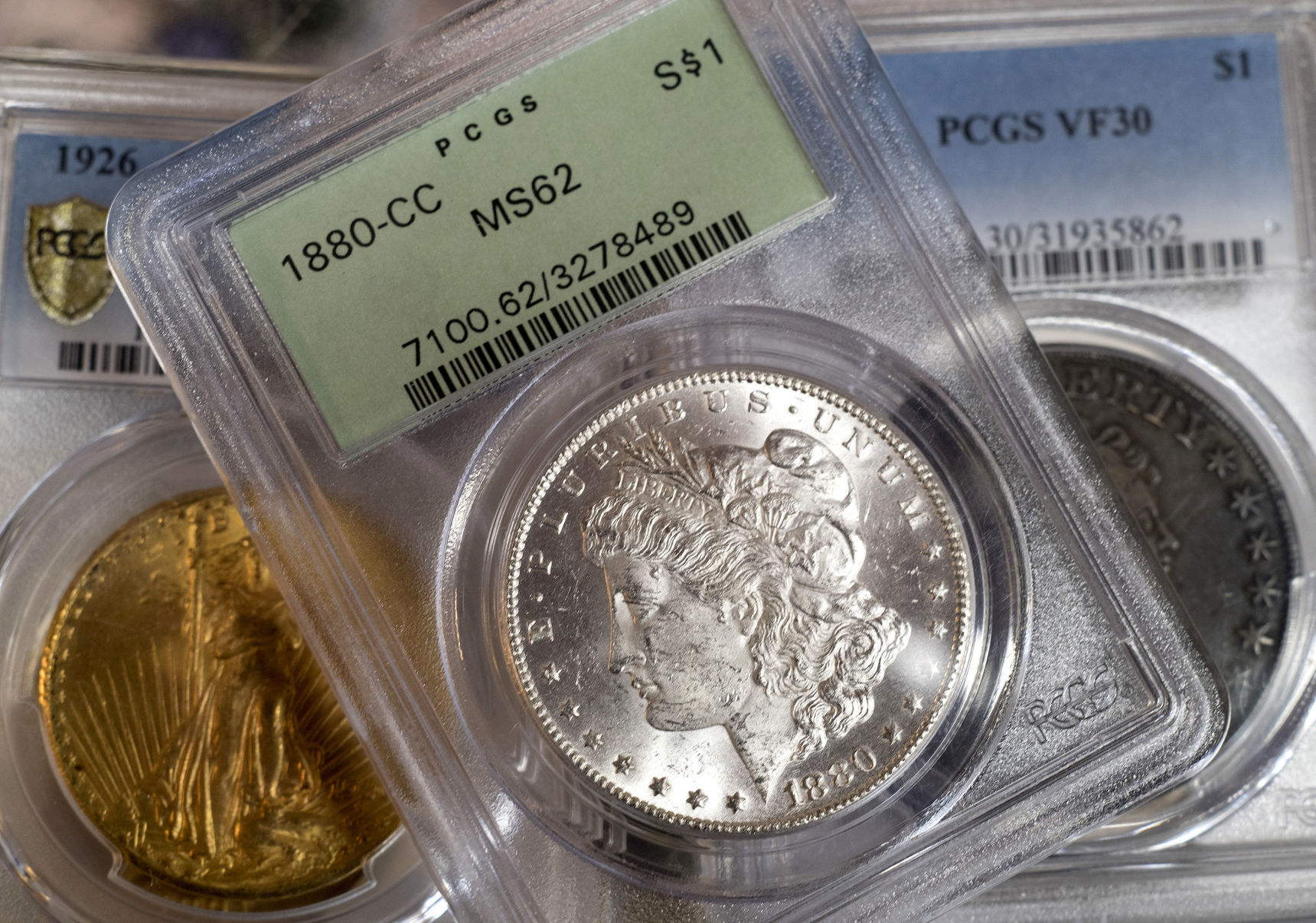
Coins, including a 1880 silver dollar struck at the mint in Carson City, Nevada, are shown Monday, Oct. 7, 2019, at J&J Coins and Collectibles in Sioux City, Iowa.
Coin collectors of Sioux City
Jackson estimated there are perhaps 50 to 100 active coin collectors in Sioux City, some of whom are very serious about the hobby and aggressive in their pursuit of rare coins. Some focus on a certain sort of coin, or on trade tokens, which were commonly issued by businesses a century ago.
"Sometimes people are very specific. We have a lot of people that only collect one certain type of coin. Maybe Indian head pennies, or Morgan silver dollars," he said. "And then you have collectors that really collect a very wide range of items."
An interest in coins is something that generally begins in youth for one reason or another.
"As a kid, I kind of started with stamp collecting a little bit, and then got into coins, and it's basically a hobby that got out of control," he said with a laugh. "Most kids usually start (coin collecting) from, 8 to 13. We get a lot of different kids involved in the hobby."


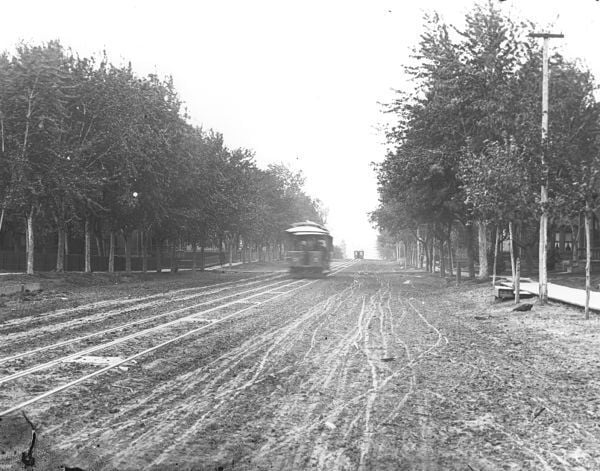


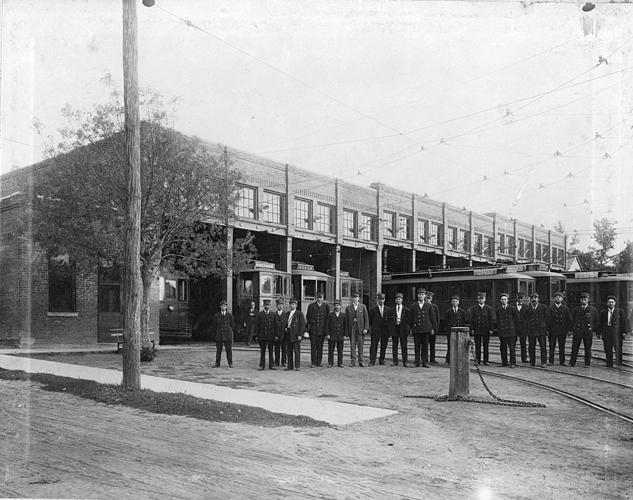


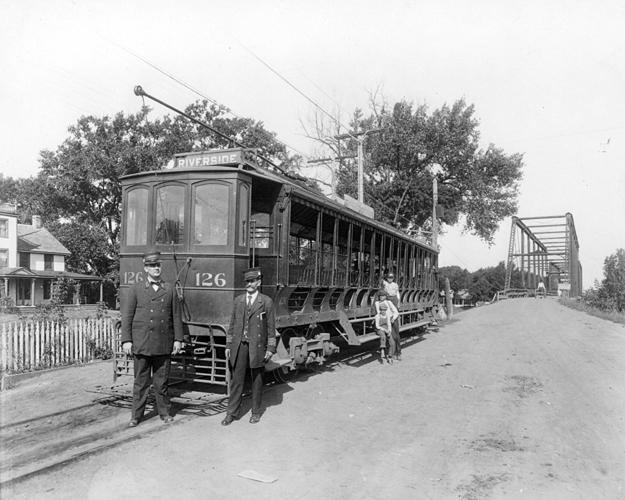

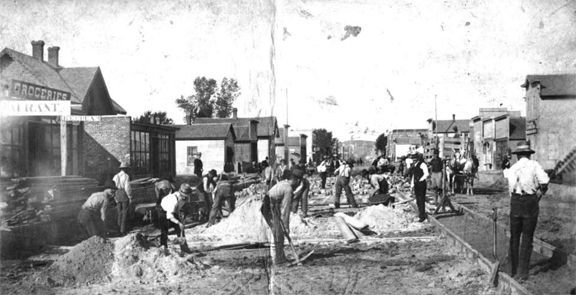
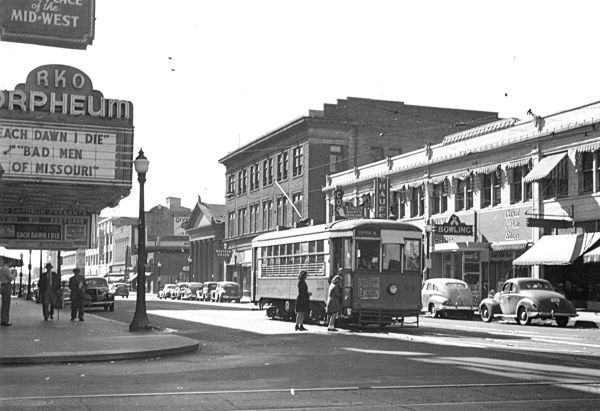


PHOTOS: Sioux City railroad history, from 1868 to today
First train in Sioux City
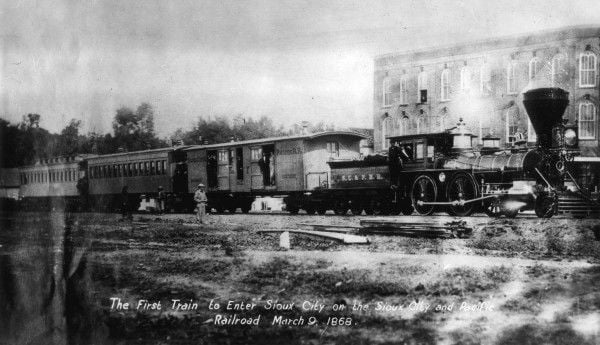
The first train to enter Sioux City on the Sioux City and Pacific Railroad, March 9, 1868.
Elevated railroad
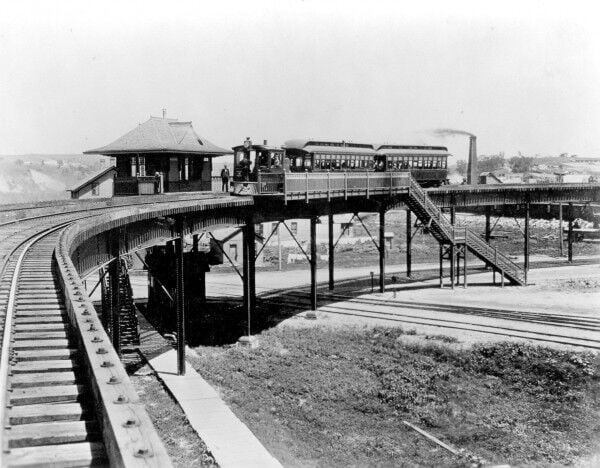
Sioux City's famous elevated railroad of the late 1880s, the third of its kind in the entire world, was dotted with attractive pavilions on the level of the tracks, which served as waiting rooms for the passengers.
Union Depot construction

The Union Depot construction began in 1892. Passengers will walk through an 18-foot tall stone arch to gain entrance to the Union Depot located on Douglas Street between Third and Pierce streets.
Trains in Sioux City

Train cars travel between Third and Fourth streets in Sioux City in 1895. The Fourth Street viaduct is seen to the right of the cars.
Floyd Monument
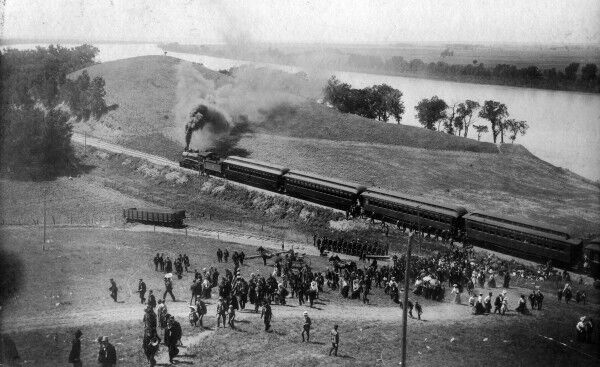
A photo dating from 1900-1901 shows people walking from a special train arriving for the cornerstone laying or dedication of the Floyd Monument in Sioux City.
William Howard Taft
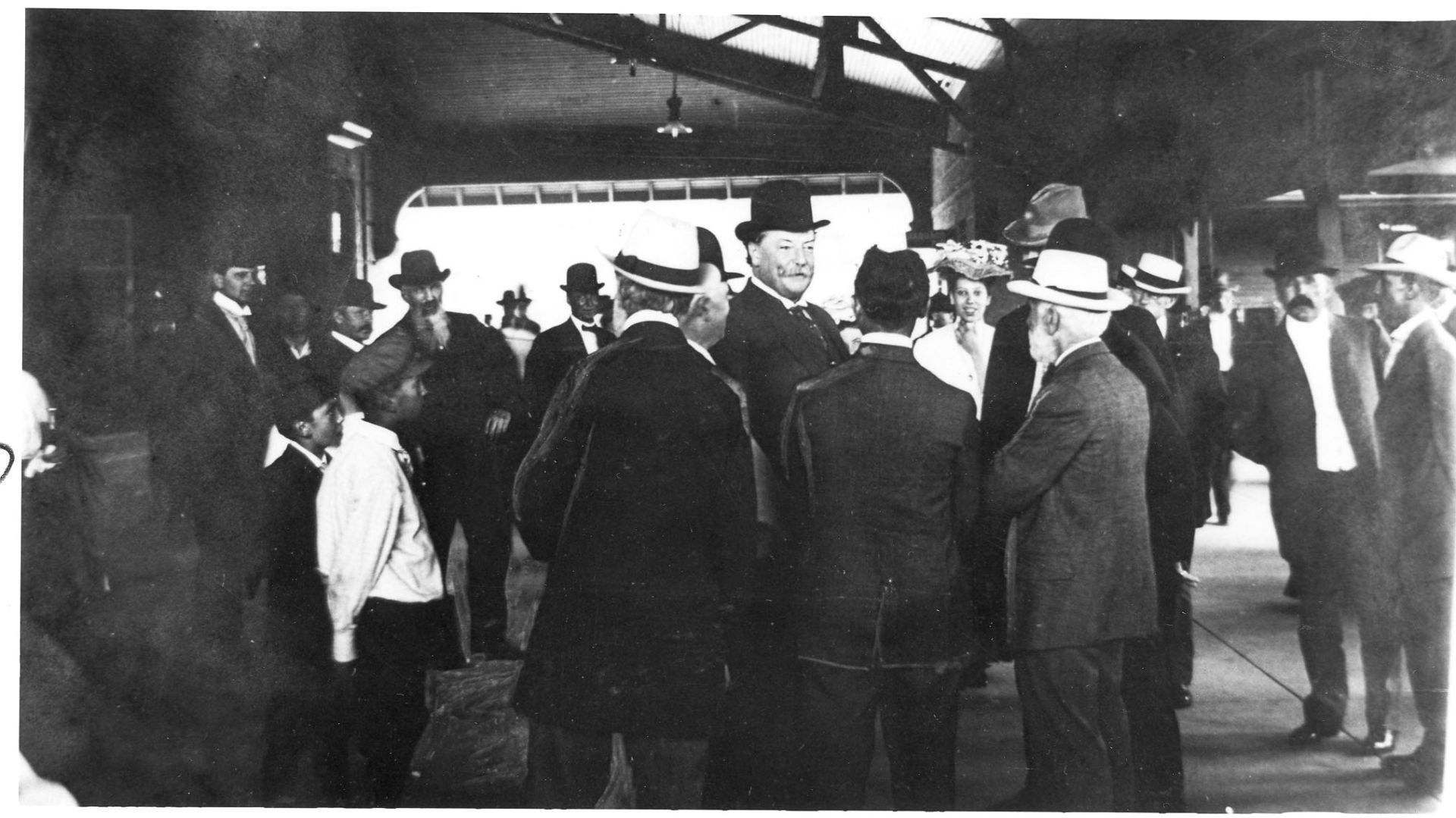
Then-future president William Howard Taft (center, facing camera) stopped briefly at Sioux City's Chicago, Northwestern train depot at Second and Nebraska Streets, in June 1907.
Steam railroad

Steam railroad to Riverside Park and Interstate Fair, date unknown. The Interstate Fair started in Sioux City around 1913 as a livestock fair.
Great Northern railroad switch yards
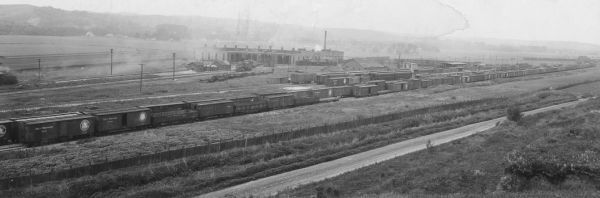
The Great Northern rail yards are shown north of 18th Street in 1922. Decades later, a Sioux City resident purchased a former railway depot and turned it into a residence.
Riverside Railroad drawing
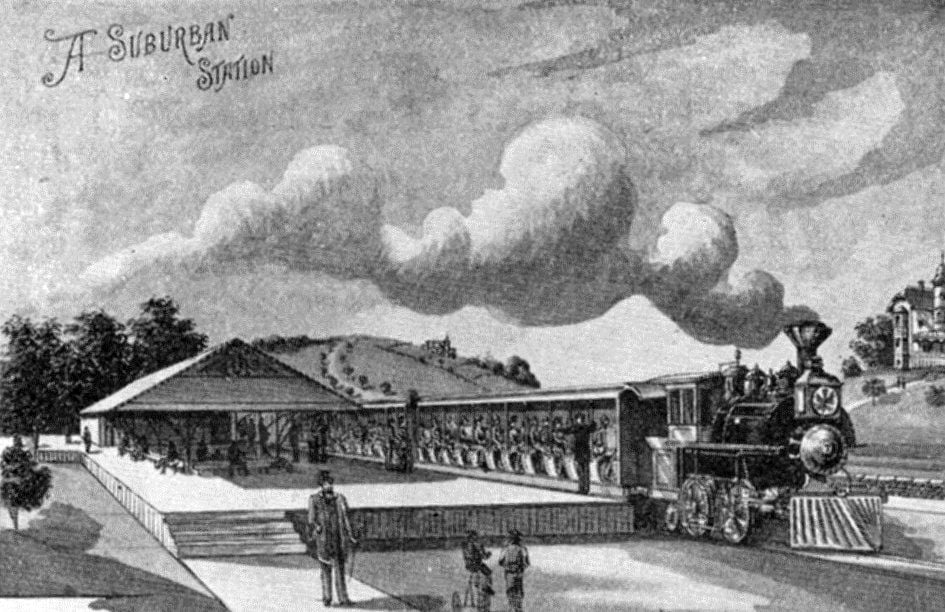
A drawing of the Riverside Railroad.
Flagmen work main street crossings
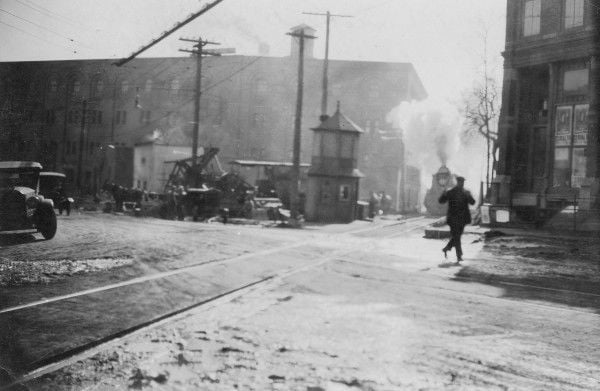
A railroad flagman house is shown in the Sioux City switchyards. The photo was taken by John Frost in 1926.
Parade entry
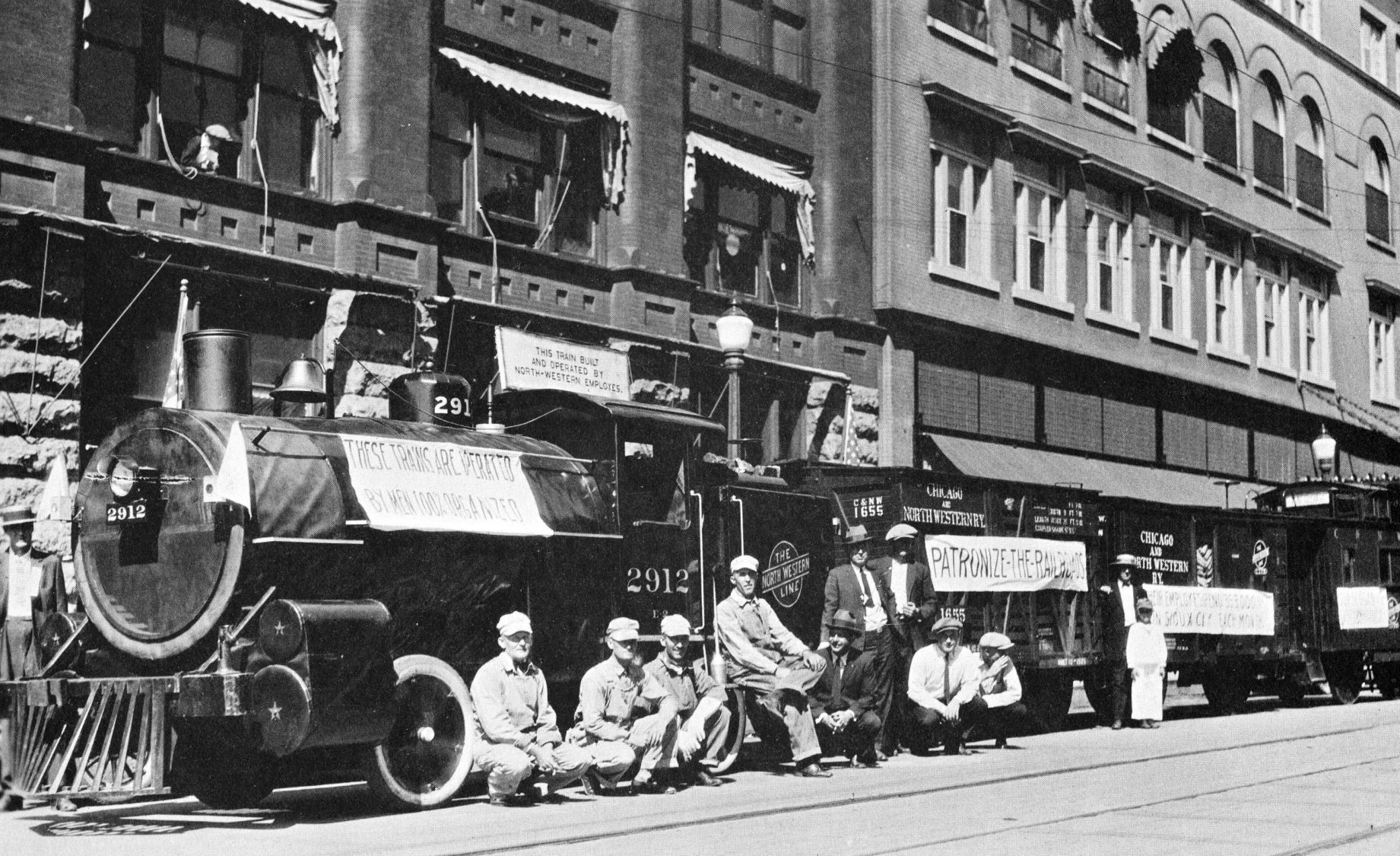
Chicago and North Western Railroad entry in the 1928 Labor Day Parade.
Elevated railway piers

Supports for an elevated railroad are shown at Second and Fowler streets in Sioux City on July 19, 1942. Talk began of building the elevated railway in July 1888.
Chief Ironhorse
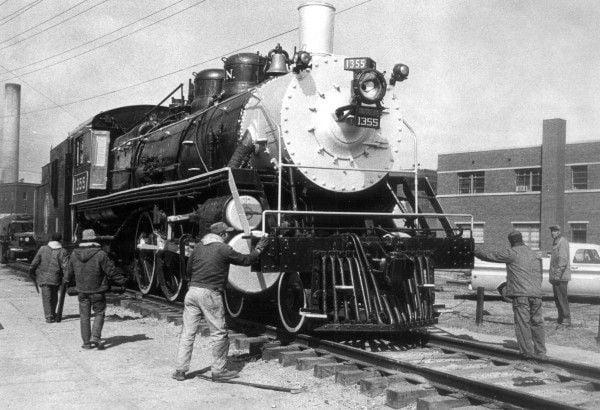
This March 18, 1968, photo shows steam locomotive Chief Ironhorse. The locomotive was restored by the Siouxland Historical Railroad Association and is now housed in the roundhouse at the Milwaukee Railroad Shops.
Iron Horse, 1968
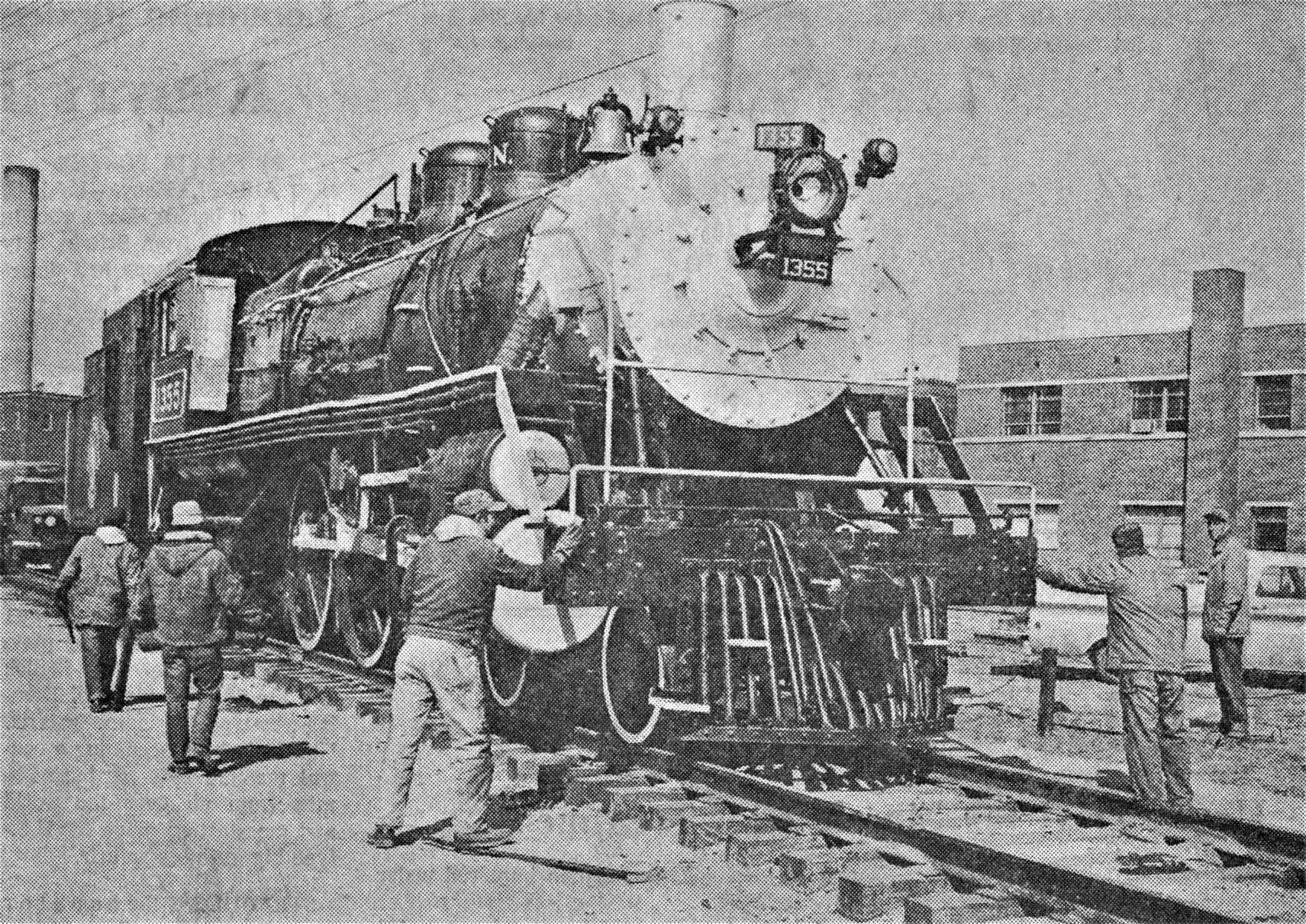
The 164-ton memorial to steam railroading was moved to make room for a new Chamber of Commerce headquarters, which was to be located northeast of the Municipal Auditorium.
Ag-Rail Festival
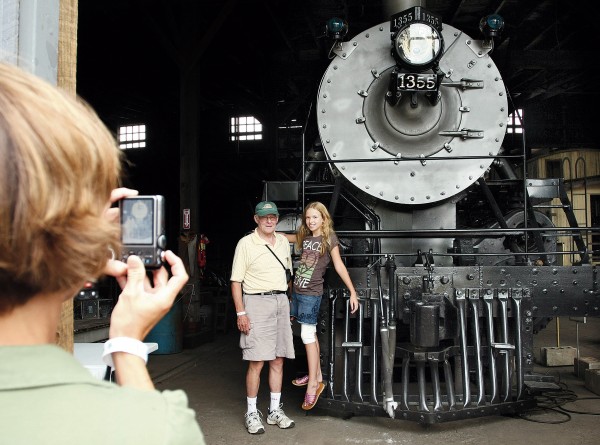
Theresa Chamberlain, of Cedar Rapids, Iowa, takes a photo of her daughter, Marie, and her dad, Lee Chamberlain, at the Milwaukee Railroad Shops Historic District in Sioux City in 2009.
Siouxland Historical Railroad Association rail and ag days
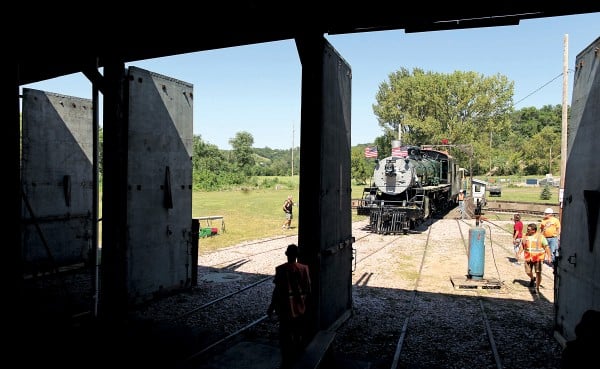
The train engine known as Chief Iron Horse pulls into a shed in August 2010. The Siouxland Historical Railroad Association paid for the historic locomotive's restoration.
Endangered species caboose
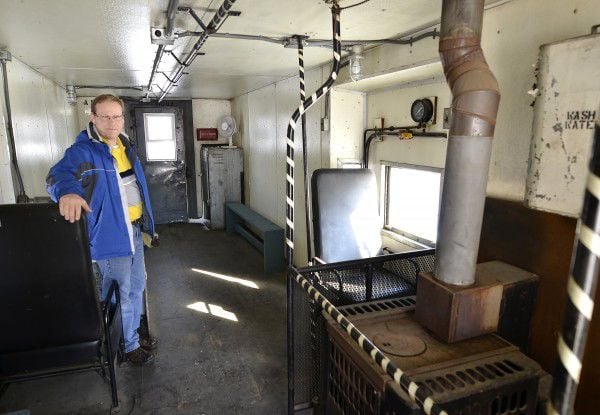
Matt Merk, of the Milwaukee Railroad Historic Shops, is shown in a caboose on display at the complex in 2012. The cars were used on most freight trains until the 1980s.