




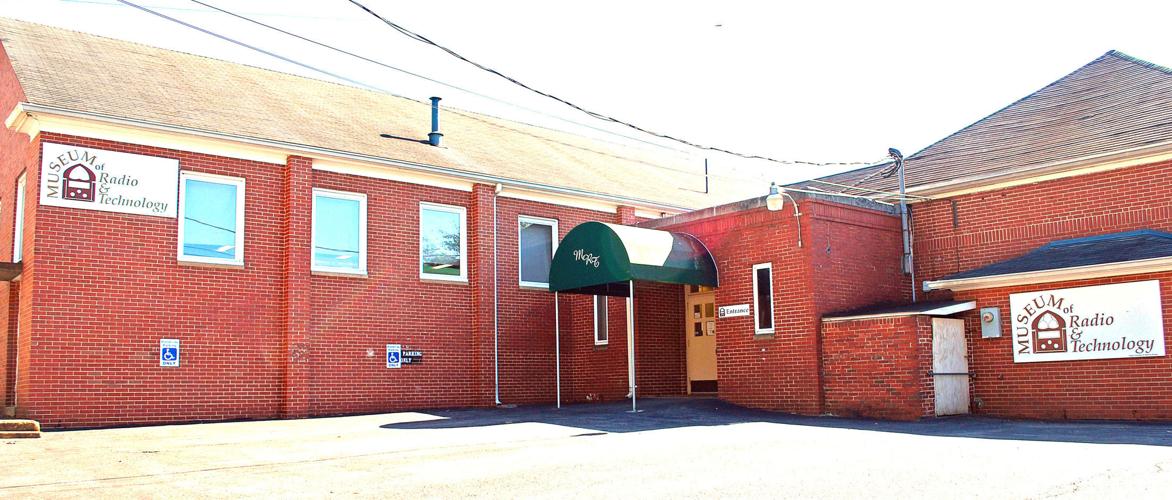
HUNTINGTON, W.V. – A former elementary school building here now houses a collection of historic technology dating back to the 1920s and right up to the present day.
Volunteer tour guide Dave Bond said the Museum of Radio and Technology started about 25 years ago. “A group of collectors who belonged to a national antique wireless association were meeting in Charleston, West Virginia. They had a small museum in the second floor of someone’s business.”
Bond said some members heard that a school building was going up for auction in Huntington. Because the building was older it didn’t meet some of the current requirements for a school but would be perfect for a radio and technology museum. The group purchased the building, made some improvements and opened the museum in 1993. “We reworked some of the rooms and modernized them with dropped ceilings,” said Bond. “We also sanded and refinished the floors and things like that.” He said most of the remodeling work was done by museum volunteers. The former elementary school built in 1928 has 10,000 square feet now filled with everything from crystal radio sets to modern computers.
People are also reading…
One of the changes to the former school building was making a radio studio. “Three years ago we built a 1930s style art deco radio studio,” said Bond. “That’s where we hold our award ceremonies.” He said throughout the year they have such things as a flea market open to the public and dinners for members.
“A lot of the early displays we have came from individuals' collections,” explained Bond. “We now have about 150 to 175 members.” He said a lot of the members are retired engineers or those who have worked in electronics or had it as a hobby.
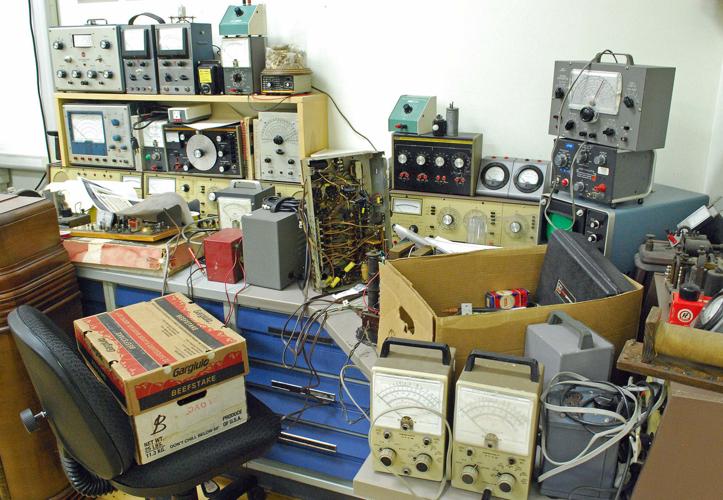
One display in the museum is a replica of a 1920s era sales and service store. The store was once owned by Frank Lynch of Dunbar, West Virginia, and features period radios, parts and test equipment.
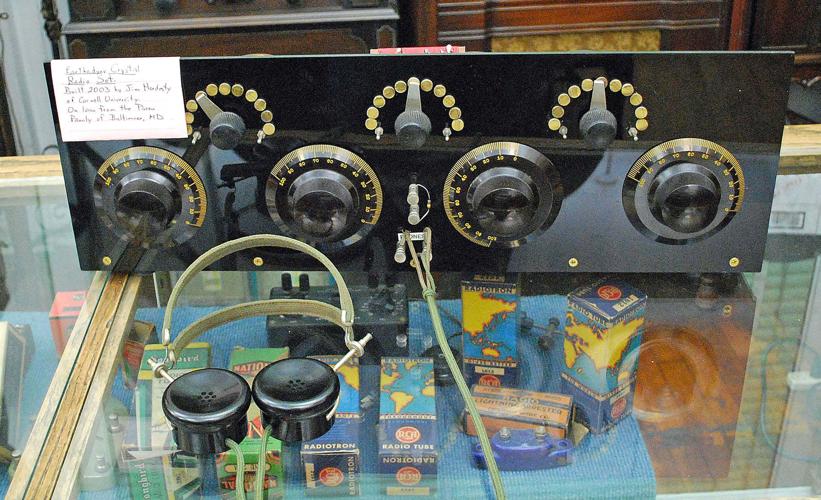
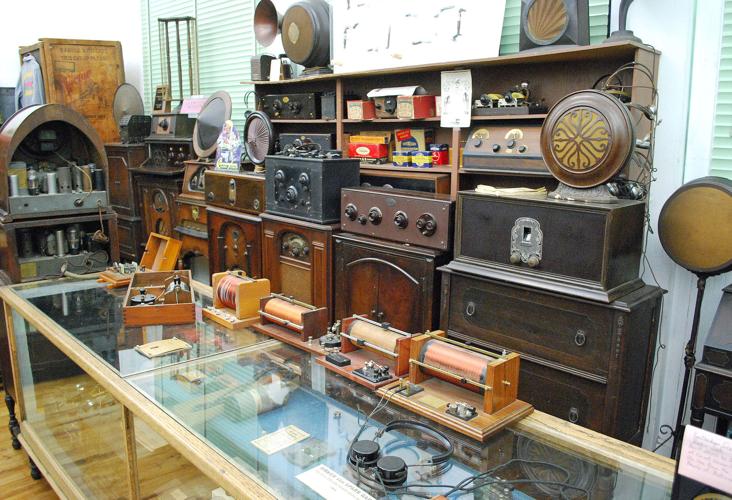
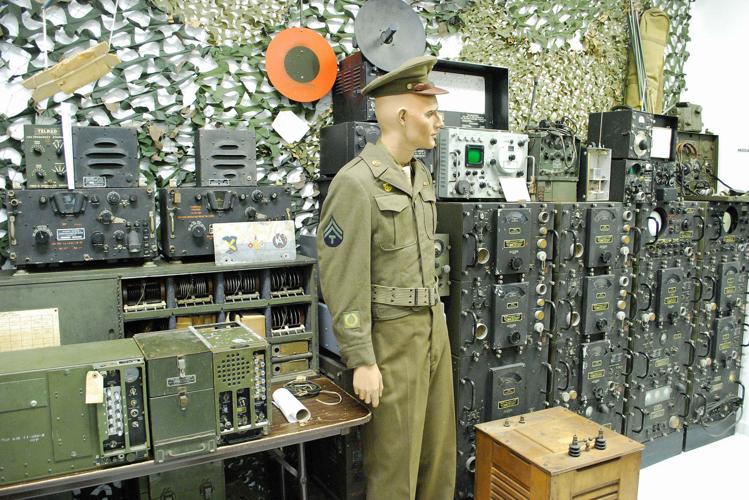
Some of the oldest artifacts in the museum’s collection include a spark radio transmitter from the WWI era and a working home-built crystal radio set that visitors can listen to. Also on display is a WWII G.I. foxhole radio made with a razor blade and a couple of paper clips.
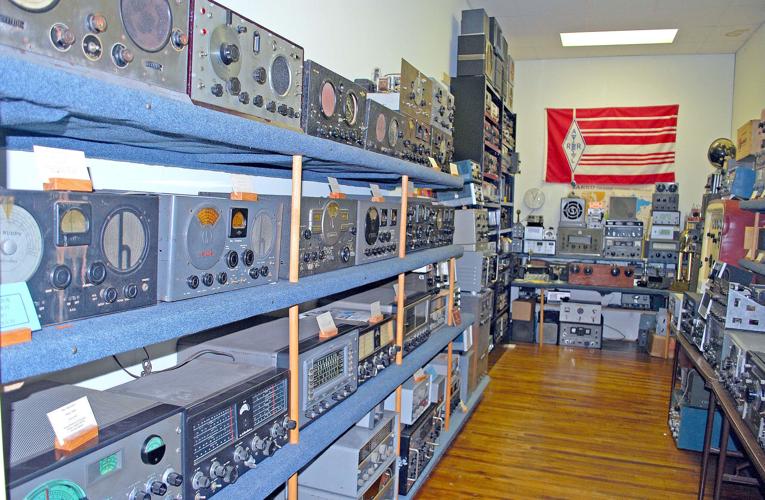
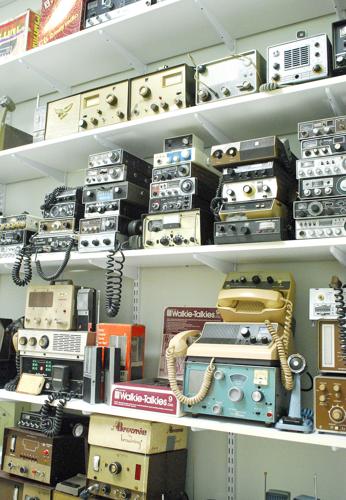
The museum features a room dedicated to the hobby of ham or amateur radio. The museum sponsors a radio group who meet at the facility. Near the ham radios is a section dedicated to citizens band or CB radio with examples of both mobile and stationary radios.
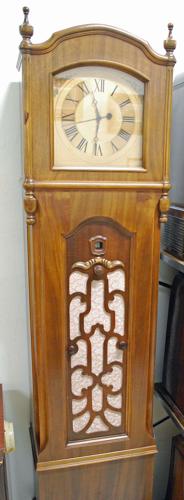
The museum collection contains some unique combinations, such as grandfather clocks with built-in radios and the Porta Baradio, which is a radio with places on top for glasses and holders on each side for liquor bottles, making it a radio with a bar.
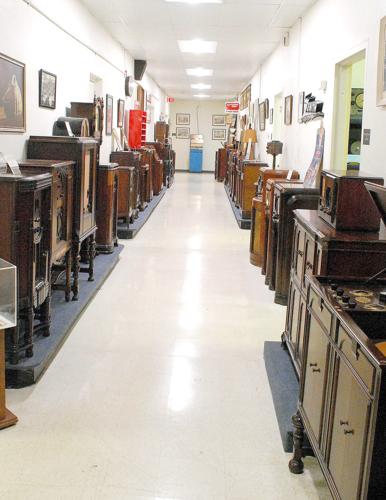
One hallway in the museum is filled with floor model radios dating back to the 1930s and 1940s. Those radios not only provided entertainment but were beautiful pieces of furniture as well. It’s easy for museum visitors to imagine a family gathered around one of those radios listening to Jack Benny or Fibber McGee and Molly back in the 1940s and '50s.
More modern displays in the museum include early versions of computers for both business and the home. Included in the display are examples of equipment used to train people how to use and repair computers.
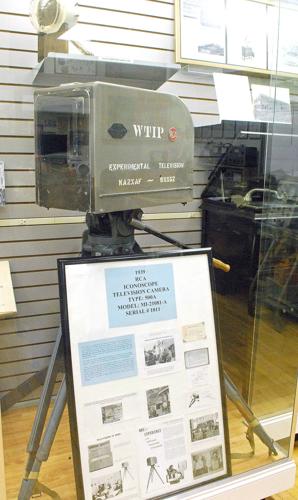
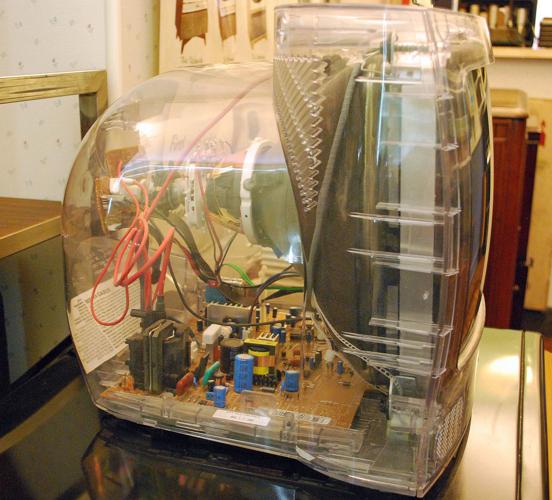
One TV in the museum collection came from the Mount Olive Penitentiary in West Virginia. The case is clear plastic so the prisoners couldn’t hide contraband inside. The prisoners had to purchase the set.
Along with the displays of historic electronic equipment is an area devoted to those pioneers in the field of broadcasting from West Virginia. “We have the West Virginia Broadcasters Hall of Fame here,” said Bond. He said every year they have a ceremony for new inductees. “These are individuals who have made a contribution to broadcasting in West Virginia.” He said the Hall of Fame includes such well known people as Don Knotts, Bob Denver, Peter Marshall, Chuck Woolery and Soupy Sales. Selection for new members of the hall of fame is held once a year at the museum.


