





MISSOURI VALLEY, Iowa – It was on March 18, 1865, the steamboat Bertrand left St. Louis, Missouri, for the Montana gold fields. Steamboats were a popular mode of transportation at the time, even though each voyage was filled with danger. Many of the passengers aboard the Bertrand were merchants hoping to open new markets in the newly discovered Montana gold fields. The ship was filled with an estimated cargo weighing between 250 to 400 tons and worth between $100,000 and $400,000. But the passengers and cargo never made it to Montana.
The incentive for steamship owners and crew to make the trip despite the perils was money. One trip could earn the company between $20,000 and $40,000, which might even pay for the ship. In addition to the cargo, the Bertrand carried between 50 and 60 passengers and crew. Among the passengers were six women and nine children.
On April 1, 1865, while making its way to Montana, the sternwheeler hit a submerged log, 30 miles north of Omaha, and quickly sank into the murky depths of the Missouri River. Pilot Horace E. Bixby managed to steer the ship to the Nebraska shore, but witnesses said it sank within 10 to 15 minutes, giving the passengers and crew little time to salvage any of their belongings. No lives were lost, but the steamship was destroyed. After initial salvage efforts, her cargo was written off as a complete loss, and the Bertrand settled into 30 feet of silt and sand. And there it remained entombed for 102 years.
People are also reading…
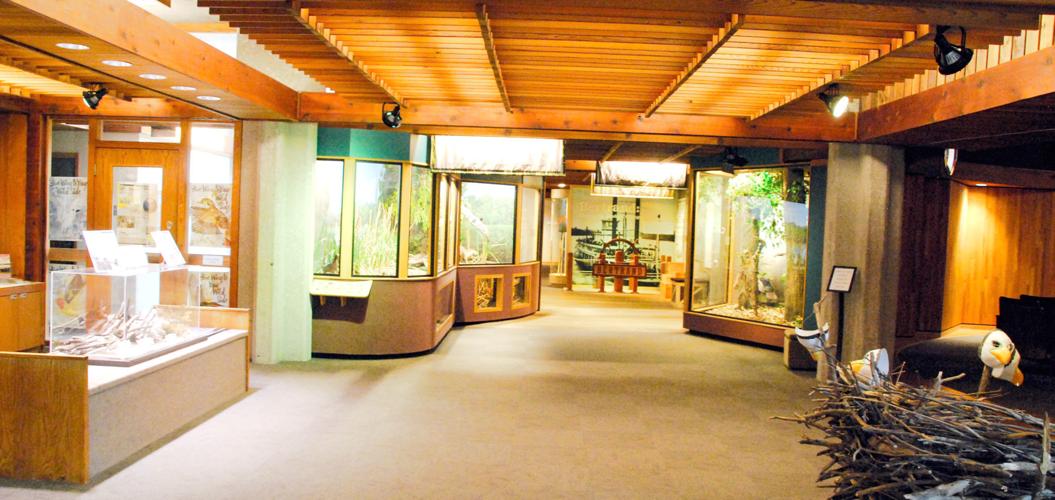
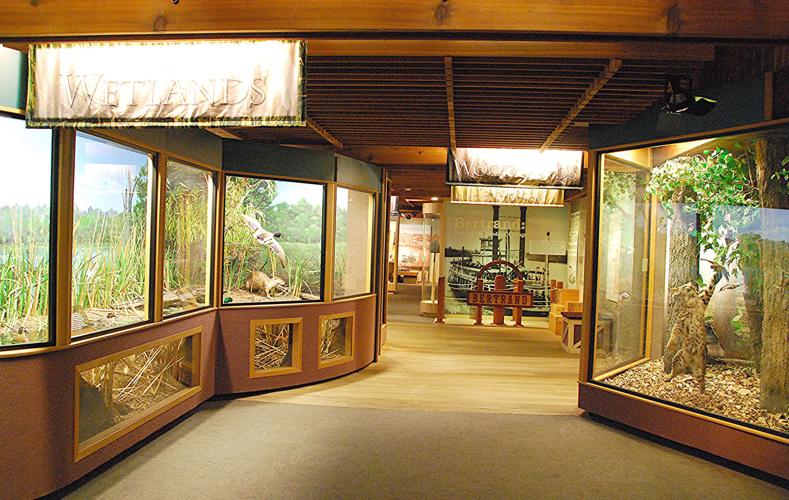
Then in 1968, two salvage experts from Omaha, Sam Corbino and Jesse Pursell, researched the wreck and located the Bertrand, which was now on the DeSoto National Wildlife Refuge. The pair used historical documents and a flux gate magnetometer to locate the remains of the Bertrand. Over the years the river had changed course and the steamship was on now on federal property. Because of that they agreed to turn over any artifacts they would find to the U.S. Fish and Wildlife Service to be part of a permanent exhibit in a public museum. That exhibit is now located at the DeSoto National Wildlife Refuge and is open to the public.
Today the collection of artifacts from the Bertrand numbers well over 250,000 and includes a wide variety of tools, clothing and food items. Because the Bertrand was covered in mud, the cargo is remarkably well preserved, making the collection a unique time capsule of 19th-century culture.
The cargo included food items such as dried and salted beef, mutton and pork, oysters and pepper sauce. Strawberries, peaches and peanuts were also being shipped to Montana on the Bertrand. Liquor in the form of bourbon, brandy and brandied cherries were listed on the ship’s manifest. There were over 3,000 textiles and clothing items, including gloves, hats, trousers, and 137 men’s coats in seven different styles. Household goods included mirrors, clocks and silverware. The shipment also had building supplies for the growing town. The largest consignment of goods was going to the Vivian and Simpson retailer in Virginia City.
The ship carried mining supplies, including blasting powder, pickaxes and shovels, for the growing Montana mining town. Also on board were a variety of ammunitions. The salvage team found lead shot bars, shot molds, powder flasks, percussion caps, Maynard cartridges and mountain howitzer munitions. However, no firearms or cannons were found during the salvage effort in 1968. It’s thought they may have been removed before the Bertrand sank or they may never have been on board.
Canned goods removed from the shipwreck were tested in 1974 by the National Food Processors Association. The cans contained such things as brandied peaches, oysters, plum tomatoes, honey and mixed vegetables. The tests determined that although the appearance, smell and vitamin content of the food had deteriorated it was still safe to eat.
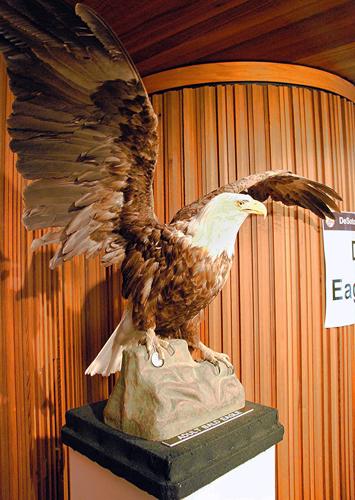
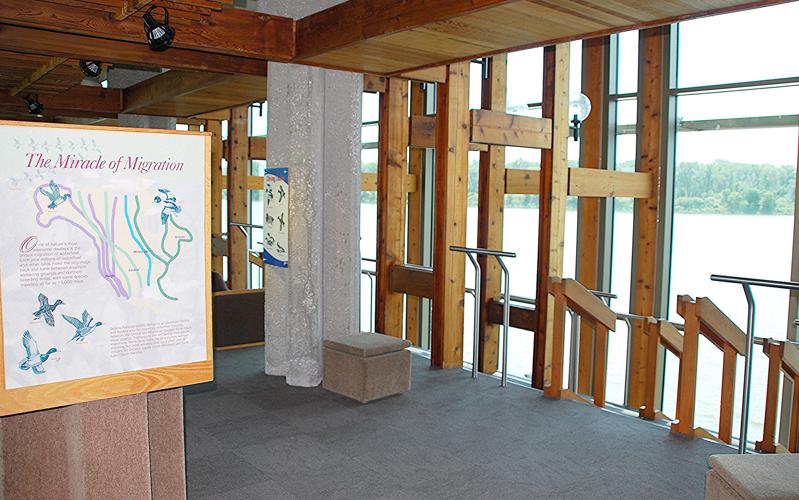
During the spring and fall the DeSoto National Wildlife Refuge becomes a temporary home for a variety of waterfowl and shorebirds. Species such as mallards, blue and green winged teal, northern pintail, American wigeon, wood ducks, Canada geese and pelicans stop during their fall and spring migration. It’s not unusual for the area to have a daily population of 50,000 ducks, mostly mallards, at the refuge during the fall migration. The visitors center at the refuge provides great viewing opportunities for the migrating birds.


