


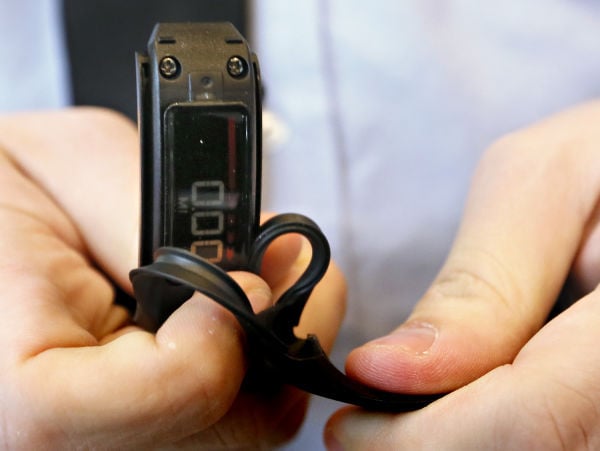
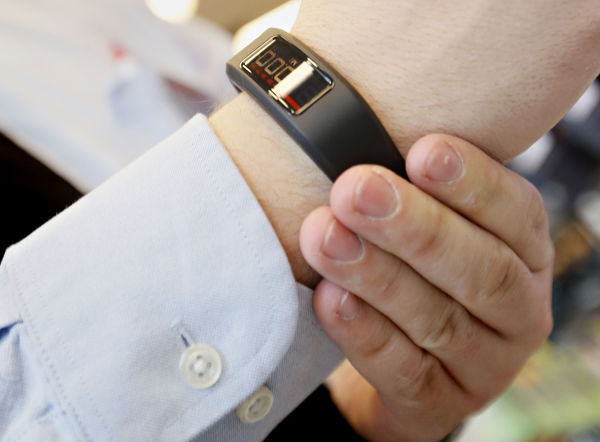
Thick rubber bracelets are starting to pop up everywhere and, no, they aren’t a new fashion trend. Instead, they are a new wellness trend.
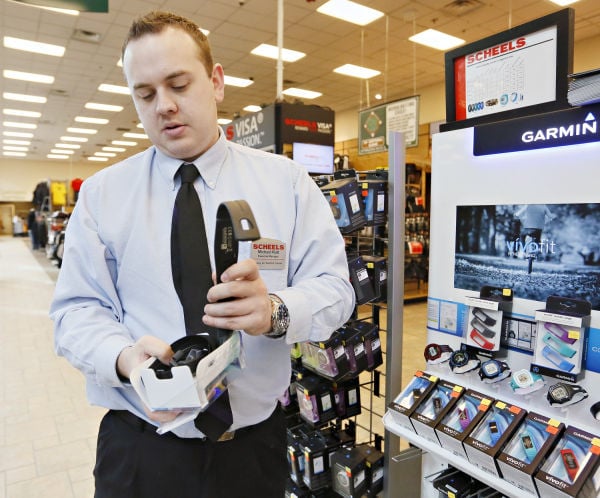
“They aren’t necessarily for exercise,” said Michael Klatt, exercise manager at Scheels All Sports. “You wear them all day and it keeps track of how many steps you take, how many calories you burned, how well you slept, things like that.”
Customers are regularly seeking the trackers, which come in a variety of well-known brands such as Garmin and Nike, he said.
The products are user-friendly, but do require a smartphone to be used as more than a basic pedometer, Klatt said.
“If you don’t have a smartphone, I would just stick with a pedometer,” he said, “but the bands themselves are simple and really a one button function.”
People are also reading…
The trackers synchronize with a free app available for Apple and Android devices. The app allows users to keep track of health over time and even challenge friends and other users to see who takes more steps during the day.
“It’s a great communal workout for people who aren’t gym junkies,” Klatt said.
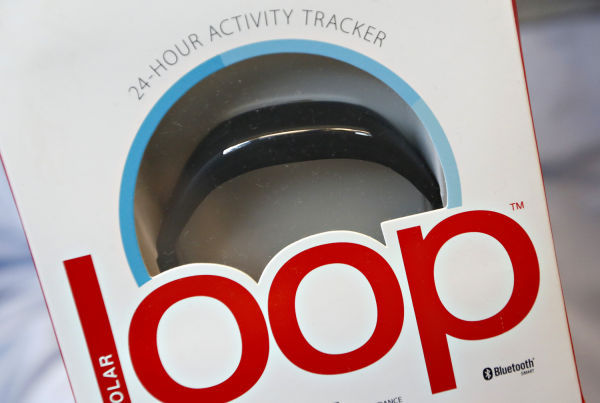
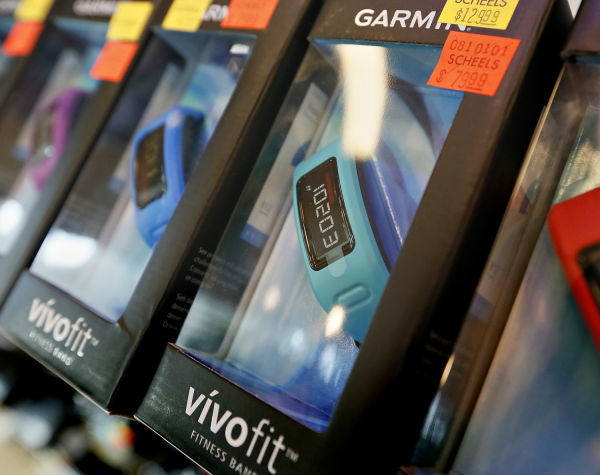
Scheels carries the Garmin Vivofit products, iFit, and Polar Loop in store.
Garmin Vivofit
The main selling point with the Vivofit is the yearlong battery life, said Klatt.
“The other products only have a five to seven day battery life,” he added. “And after a year, the battery is cheap to replace. It’s only about $4.”
The band comes in black, slate, red, purple, teal and blue.
“The Vivofit just pops right out and you can stick it in another color band if you want,” Klatt said.
The device tracks heart rate using a special chest band in addition to the basics, such as distance traveled and calories burned. It also allows the user to update their performance through MyFitnessPal, an online calorie counter and exercise journal.
An upgrade, the Vivosmart, adds Bluetooth capability that allows the wearer to see if they are receiving a phone call or text if they stay within 30 feet of their phone.
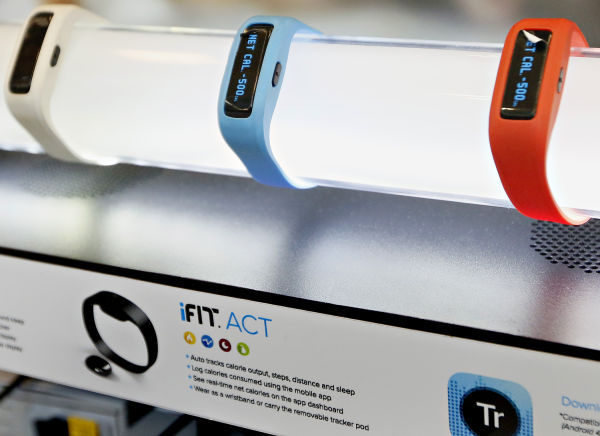
iFit
For those watching their diet, iFit is the best choice. The device tracks not only how many calories the wearer burns, but it also asks the user to input what exactly was eaten throughout the day. From there, it gives a net calorie reading for the day.
“It’s a way better nutritional guide than anything I’ve seen,” Klatt said.
The iFit also tracks the user’s activity throughout the day like a pedometer and will allow the user to update their performance through MyFitnessPal.
It does carry a shorter battery life and requires the user to charge it at least once per week.
Polar Loop
The Polar Loop keeps track of calories burned and steps taken like the other devices, but it also has a shorter battery life, needing to be charged at least once a week. It also doesn’t allow the user to synchronize with My Fitness Pal.
“I typically tell people to go with the Vivofit over the Polar Loop just because it has more options and you can use MyFitnessPal,” Klatt said.


