



For UnityPoint Health-St. Luke's dietitian Allison Rossow, proper nutrition begins with what you put on your dinner plate.
Citing MyPlate -- the U.S. Department of Agriculture nutritional guide -- she said meals can be divided into sections consisting of approximately 40 percent vegetables, 30 percent grains, 20 percent protein, and 10 percent fruits, with maybe a glass of milk or a yogurt cup to represent dairy.
"Think of your plate as a pie chart," Rossow recommended, "with half of your plate being fruits and vegetables, which are high in vitamins, minerals and fiber."
She said foods that are high in fiber can help people with weight loss since they make us feel fuller.
But some veggies are healthier than other. That's why Rossow suggested experimenting with different kinds of produce.
People are also reading…
"Brussels sprouts and leafy greens like Swiss chard and kale are extremely healthy and surprisingly easy to cook." she said. "You can simply trim them, toss with some extra virgin olive oil and your favorite seasoning before roasting it in an oven for around 25 minutes for an easy side dish."
In addition, Rossow said grains like brown rice, quinoa and whole wheat pasta are always a welcome addition to any mealtime plate.
"A variety of whole grains add a delicious twist to everyday meals like salads and casseroles," she noted. "If you're thinking outside of the box, try millet, amaranth or farro as your grains. They all cook similarly to rice."
When choosing proteins, Rossow recommends going lean.
"Look for the word 'loin' when choosing meats," she said. "They tend to be leaner cuts."
Likewise, seafood is always a great option.
"The American Heart Association recommends eating seafood -- preferably oily fish like salmon or tuna -- twice a week," Rossow said.
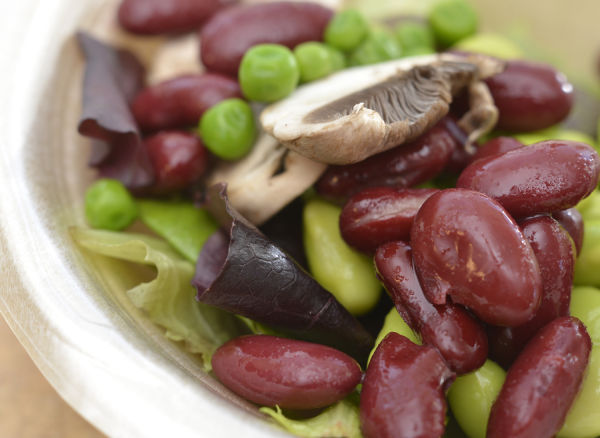
And who said all proteins had to be from meat? Rossow said protein-rich beans, lentils and nuts can add crunch to your meal in addition to fiber and heart-healthy fats.
If choosing dairy, low-fat milk and Greek yogurts are as delicious as they are figure-flattering.
"Ever heard of a fermented dairy product called kefir?" Rossow said. "Essentially, it's a drinkable yogurt. Kefir provides beneficial probiotics and can be used on cereals or smoothies or may be consumed as is."
Rossow admitted diets don't work.
"They may work in the short term," she said, "but you can't sustain them in the long term."
Which is why increased knowledge of nutrition as well as moderate exercise is the best way to lose the holiday pounds.
"Being healthy is a lifestyle change and takes commitment," Rossow said. "That can come from watching what we eat."
For instance, she will choose a healthy salad for lunch while taking the stairs instead of the elevator.
"Options are important and don't have to be drastic," Rossow said. "Everyone eats but it's just as easy going with a healthy choice than it is with a less healthy one."