


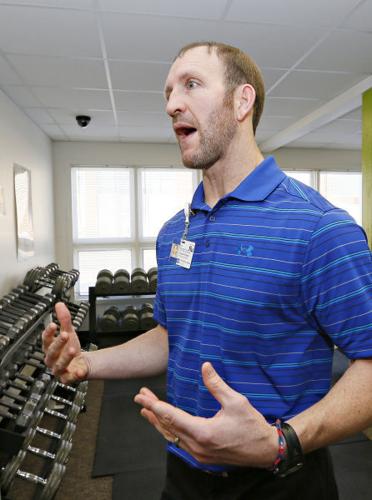
One of the most stressful parts of joining a gym is navigating the endless labyrinth of unfamiliar black and silver workout equipment. Unity Point Health-St. Luke’s physical therapist Erik Nieuwenhuis has seen patients with this fear and always recommends the same thing: Ask questions.
“If you’re new to the gym, ask the staff questions,” he said. “They’re a great resource.”
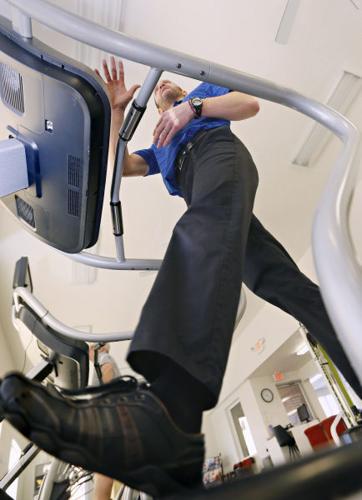
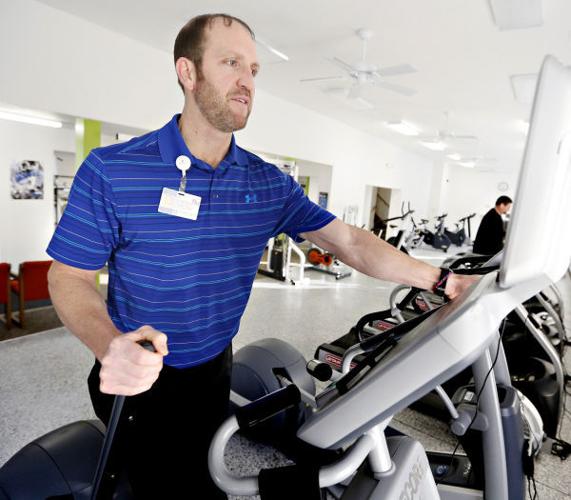
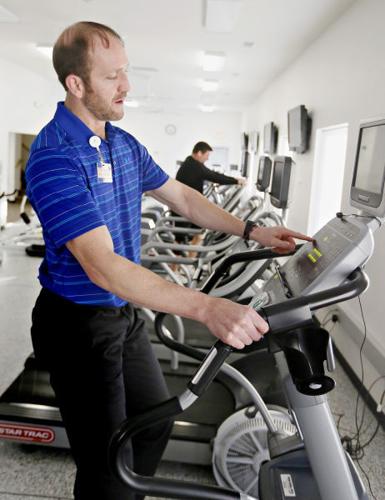
The most reliable choice for gym newbies is the elliptical, said Nieuwenhuis.
“I like to recommend the elliptical first, especially for people who have balance problems,” he said. “A treadmill is a consistent speed, and a lot of people don’t walk at a consistent pace so it can be harder. When you first start the elliptical, start at a lower resistance and build up over time.”
It’s important to get 30 minutes of cardiovascular exercise every day, whether it’s on a machine at a gym or just moving around the house, said Nieuwenhuis.
People are also reading…
“As long as you’re moving and your heart rate is up, it counts,” he added.
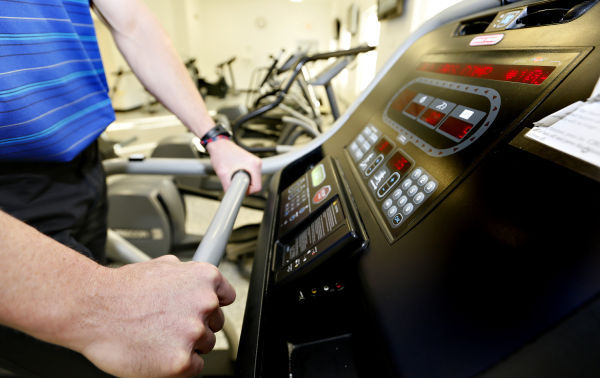
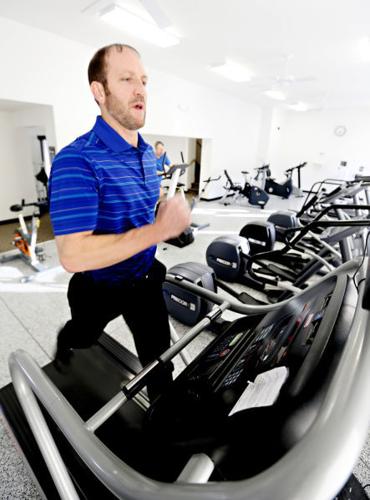
The treadmill is another basic workout machine that is good for beginners because it’s simple and easy to personalize based on fitness level.
“For people who love to run or jog, the treadmill is their best friend,” said Nieuwenhuis.
The treadmill can have more risks than the elliptical, however.
“The biggest concern I have with a treadmill is the risk of falling for an elderly person,” said Nieuwenhuis. “Holding on to the hand rails greatly decreases that risk, though.”
He noted that holding on while walking on the treadmill does decrease the benefit of the workout by limiting upper body movement.
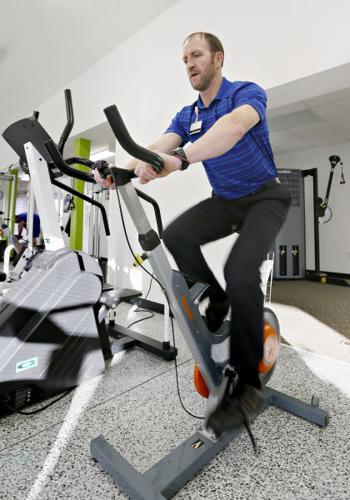
Nieuwenhuis recommends starting on an upright machine like the elliptical or treadmill over a stationary bike if possible.
“We’re already sitting so much in our daily life as it is,” he said. “Most of us lead such a sedentary lifestyle that it’s good to stand on our feet when we exercise.”
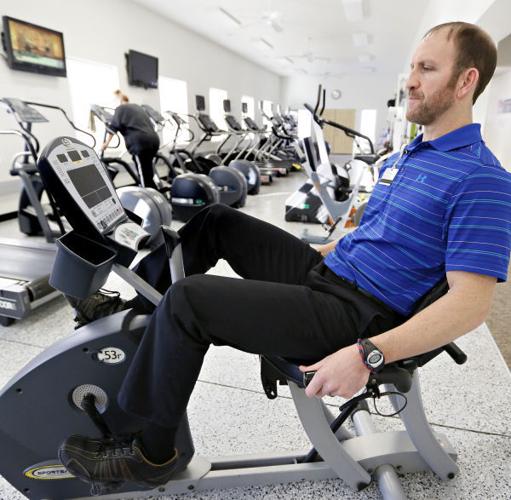
That doesn’t mean it isn’t a good idea to occasionally mix it up on a stationary bike. Bikes come in several types, such as a lower-to-the-ground recumbent ideal for seniors and a more upright style designed for intense riding and spin classes.
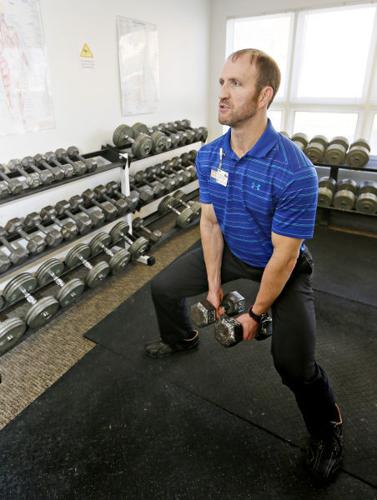
Weight lifting is another key aspect of a gym visit. Determining which dumbbell offers up enough resistance without causing injury can be difficult when presented with seemingly endless choices.
“It depends on your history and what exercise you’re doing,” said Nieuwenhuis. “Five to 10 pounds is a good place to start for women doing squats and lunges, 20 to 25 pounds for men.”
“It’s better to start too low than too high, though,” he continued.
If working out at a gym isn’t your cup of tea, there are plenty of options for at-home workouts, with or without purchasing equipment.
“One of my favorite tools for strength training is a weighted vest,” Nieuwenhuis said. “There are a lot of people out there who say they don’t have time to exercise. A weighted vest is great for that. You can wear it around the house when you’re doing housework or mowing the lawn and it helps burn extra calories.”
One of the simplest at-home workout tools is already featured in many homes -- stairs.
“Stairs are one of the best exercises,” said Nieuwenhuis. “They’re great for beginners and for advanced exercises.”
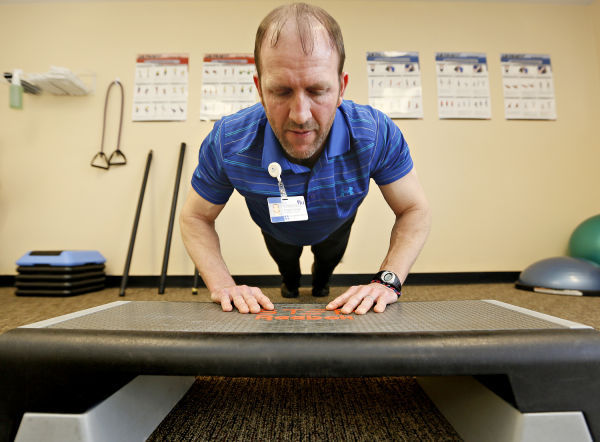
Those looking to strengthen their arms can use the stairs for beginner’s push-ups, suggested Nieuwenhuis. Plant the hands on the third to fifth step from the bottom and keep the feet on the floor while doing push-ups, gradually working down the stairs as muscle is gained. Eventually, a flat push-up on the floor will seem more manageable.
For beginners without stairs, push-ups against the wall are another option.
Hopping up the stairs, going up sideways and carrying heavy objects up the stairs at a quick pace are all more advanced stair workouts that will keep the pushing the body. Holding a plank and performing mountain climbers while keeping the hands planted on the bottom step is another way to spice up the workout routine, said Nieuwenhuis.


